Ez nem amerikai futball. Ez Jenkifoci! Üdv Magyarország első amerikai labdarúgással foglalkozó oldalán! Itt megtalálsz mindent, amit tudni szeretnél a világ legdinamikusabban fejlődő bajnokságáról, a Major League Soccerről (MLS) és az amerikai labdarúgásról. Hírek, érdekességek, pletykák és történetek... a jelenből és a múltból! Kövesd a Jenkifocit a Facebookon, a Twitteren és az Instán és ismerj meg egy teljesen új focivilágot! - KUN TAMÁS (a Jenkifoci szerzője)
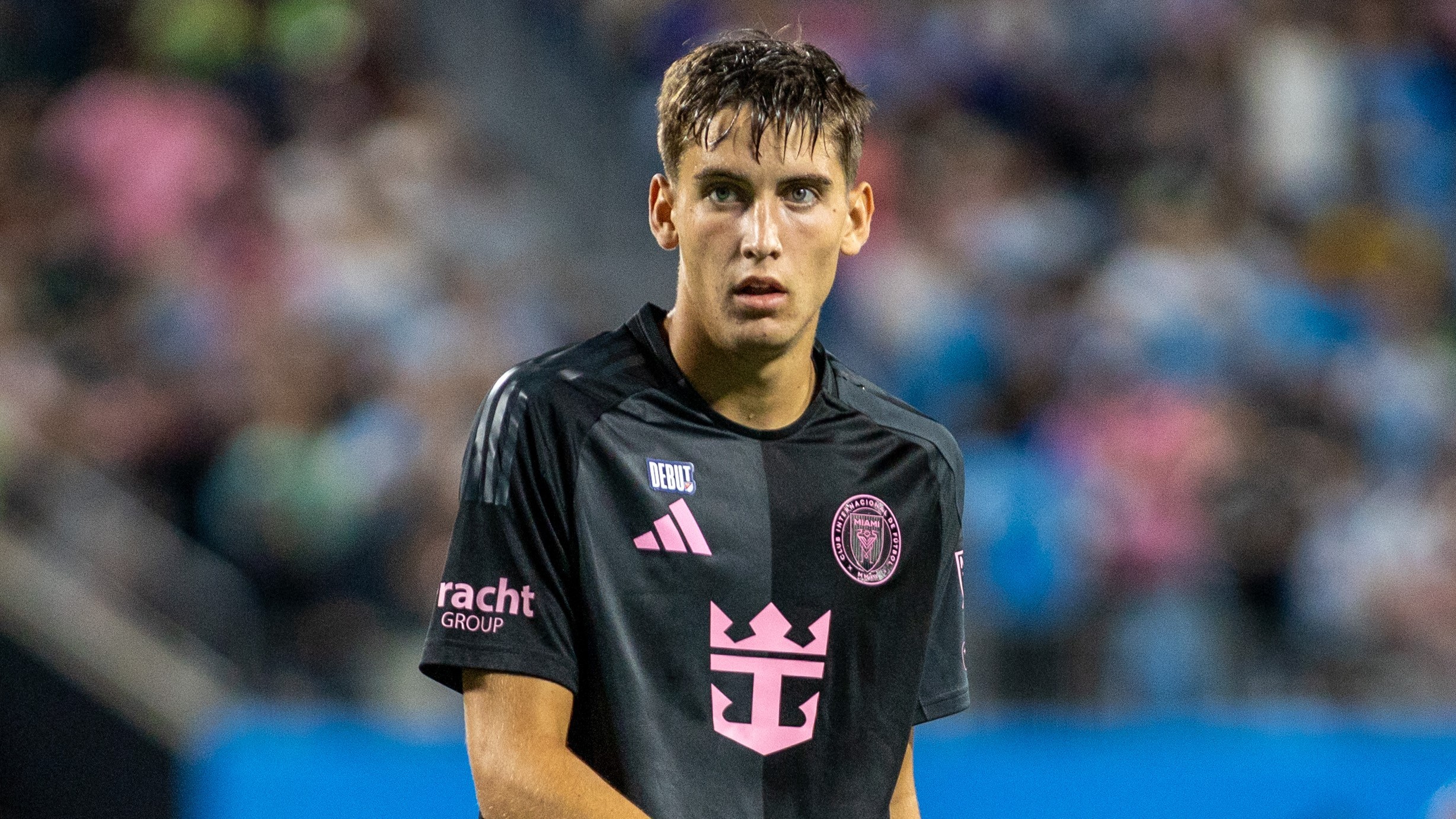
According to Tom Bogert of Athletic, Inter Miami will soon announce the signing of 18-year-old Dániel Pintér as a homegrown player. The official announcement is still pending and is expected early next week. I also wrote about the start of negotiations on YankeeFooty (a.k.a. Jenkifoci) at the end of December. Now, in light of recent developments, it is worth recalling the highlights of my previous interviews with this talented youngster.
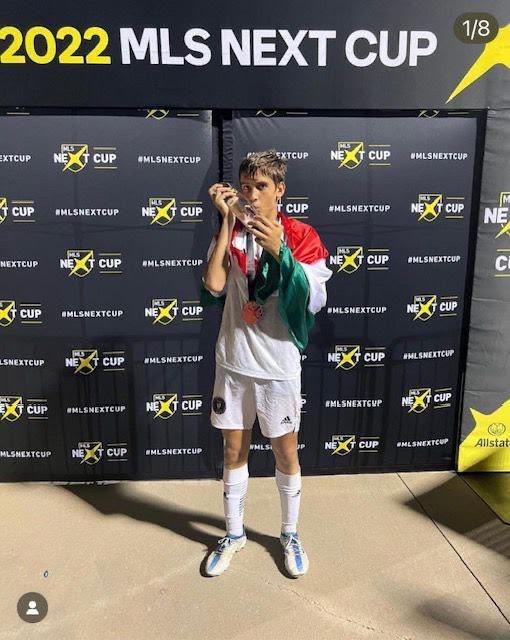
I first had the opportunity to interview the young forward in the summer of 2023. At that time, he was considered one of the brightest talents at Inter Miami's academy, having won the MLS Youth Championship in the U15 age group a year earlier. He contributed to the success with 31 goals and 10 assists.
Pintér mainly operates as an attacker, mostly on the wing, usually on the left side. However, he can be deployed anywhere on the attacking line. He is mainly left-footed, a creative player, with excellent positioning and active in attacking combinations, with a high football IQ. Overall, he is a truly promising attacker with great potential.
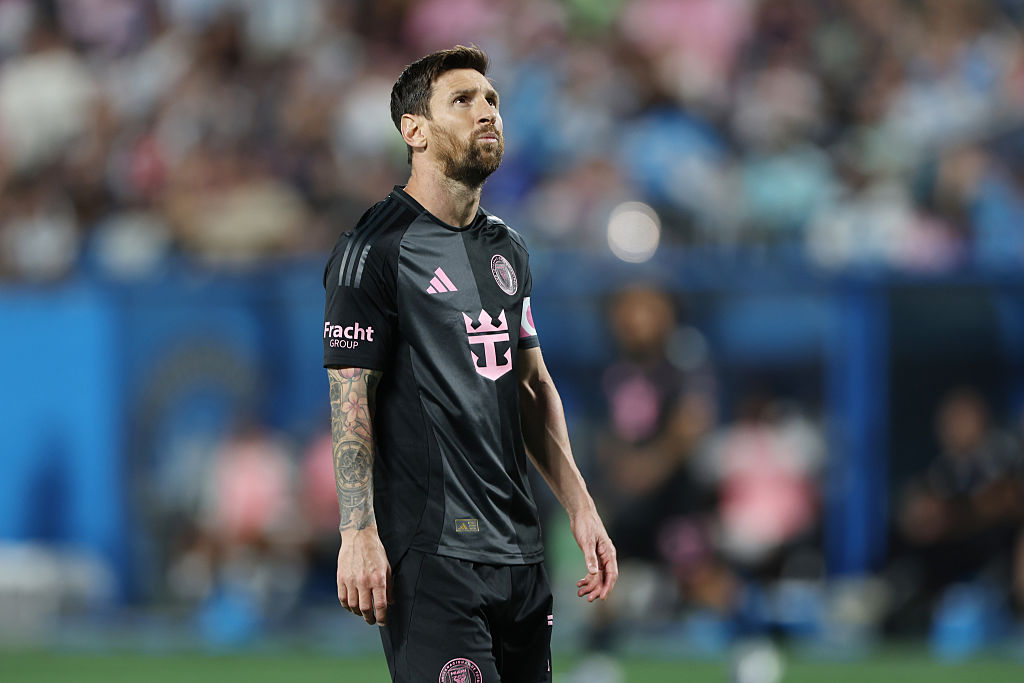
In 2023, he was called up to both the American and Hungarian youth national teams. Shortly afterwards, Lionel Messi announced that he would continue his career at Inter Miami. Pintér had this to say about the arrival of the World Cup-winner superstar:
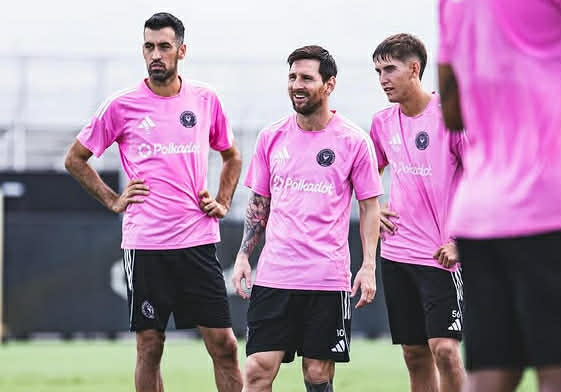
"When I first heard that Messi was signing with us, I thought it was a joke. It's amazing that a player I admired on TV as a kid is now playing for our team. I think his arrival will give American soccer a huge boost. I'm sure that many more people will pay attention to MLS and realize that the players here should be taken seriously. And Messi's arrival will probably attract even more stars to America,"said Pintér.
By then, the young talent had already completed several training sessions with the senior team, as the club's youth development coaches had recognized his talent early on. I asked him if he saw a chance to one day make his debut for Inter Miami's MLS team. At the time, he said the following:
"Yes, I can do it. Of course, I still have a lot of work to do, but I feel it's an achievable goal. It would be a fantastic feeling to pass the ball to Messi, to be on the field with such a role model. The fact that he's signing with us will only motivate me even more to do everything I can to make my debut," said Pintér, adding: "I still need to get stronger physically and, above all, prepare myself mentally for professional life, because it's a big challenge mentally. Technically, I feel mature, my coaches praise my passing a lot, and I think I have good vision on the pitch. In addition, I usually make good decisions inside the box. Perhaps these are my greatest strengths."- Pintér said back in 2023.
After that, Pintér continued to develop rapidly. In 2024 he won the prestigious international youth tournament, the Generation Adidas Cup's Premier Division with Inter Miami's U17 team. He was the captain of the team. In March 2024, he was named Inter Miami's Youth Player of the Month after scoring on his debut (as an amateur player) in the reserve team in the MLS Next Pro. Since then, he has signed a professional contract with Inter Miami II, scoring 9 goals and providing 3 assists in 17 games. He has averaged 0.77 goals per 90 minutes.
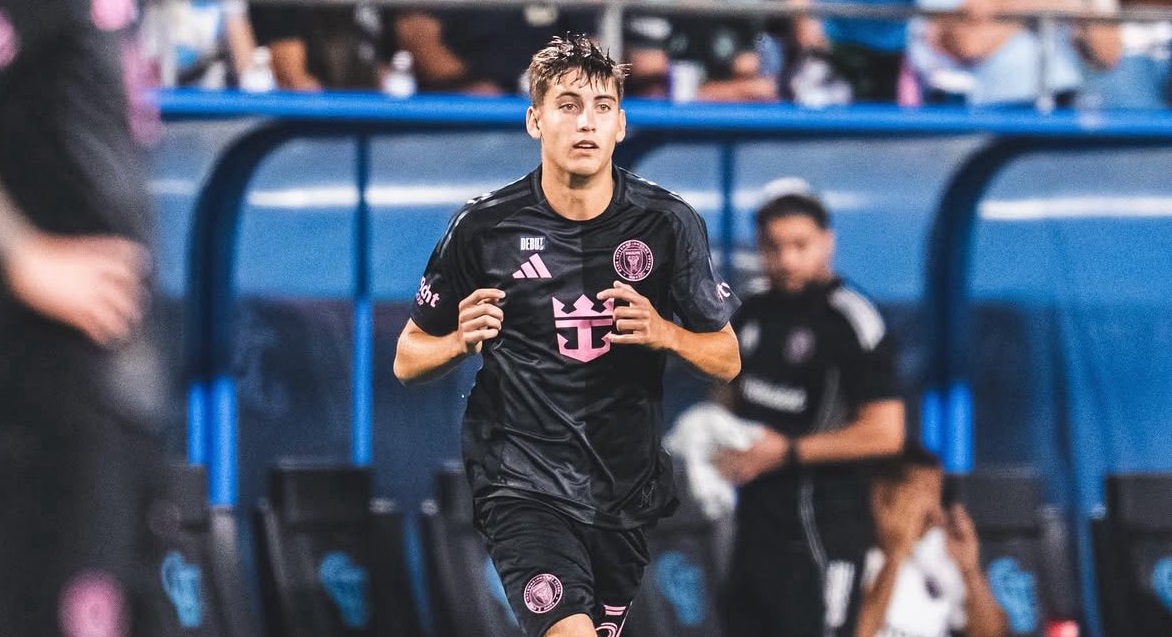
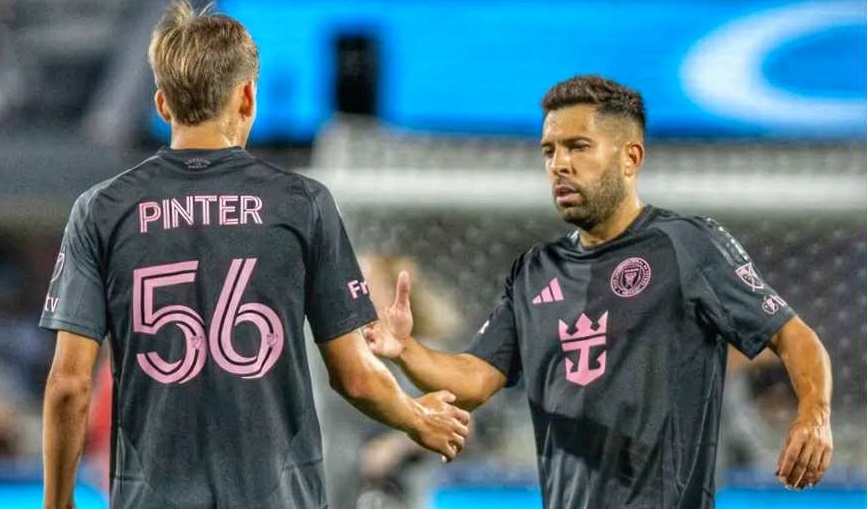
Then came the next step: in the fall of 2025, the MLS-team loaned him from Inter Miami II for a few games, and in September 2024, he made his debut in the first team alongside Lionel Messi, Jordi Alba, Rodrigo De Paul, and Sergio Busquets in an away game against Charlotte. He came on as a substitute in the 70th minute of the match. This made him the first player of Hungarian descent to play alongside Lionel Messi.
Javier Mascherano told Pintér the day before the match that he was expected to play in the MLS match against Charlotte:
"Mascherano told me personally after training on the day before the trip that I would be included in the match squad. The coaches praised me several times during training, so I felt that it was in the air," said Pintér, who added that he wasn't too worried about his debut and felt ready for the task. "I wasn't too nervous, as I've worked really hard over the past few years for this opportunity. I felt ready for this moment. It made things easier for me that the playing system and tactics are very similar to what we use in the reserve team. However, everything is much faster, much more dynamic, and you have to run a lot more.
The young striker revealed that Miami's veteran world stars helped him a lot to make his transition smooth:
"Suarez helped me a lot during training. He gave me little tips, such as how to attack open spaces when I break into the box. During the match, Busquets and Jordi Alba also gave me some advice."
Pintér added that he has a good friend on the senior team in the form of 18-year-old American youth international Santi Morales, who has also helped him a lot in recent days. Returning to the world stars of Miami, the Florida-born Hungarian striker said that Messi and his teammates are on another level even in training.
"Even in training, they make good decisions in an amazingly short time, even when they don't have the ball, they are already thinking several steps ahead. They see almost every game situation extremely quickly and react appropriately."
Pintér also spoke highly of the standard of MLS - and Charlotte FC in particular - after his first game:
"The pace of MLS is incredibly fast, and compared to MLS Next Pro, there was a lot of running. On top of that, I had to make my debut against a particularly strong opponent. Charlotte is a very good team, representing a completely different level than the teams I've had the opportunity to play against in my career so far."
Miami lost the match 3-0, but after the final whistle, almost all of his teammates, even Lionel Messi, congratulated Pintér on his debut.
"Messi also praised me for my debut, which made me very happy, but of course the mood wasn't that festive. We lost, and everyone in this team always wants to win," - said the 18-year-old striker.
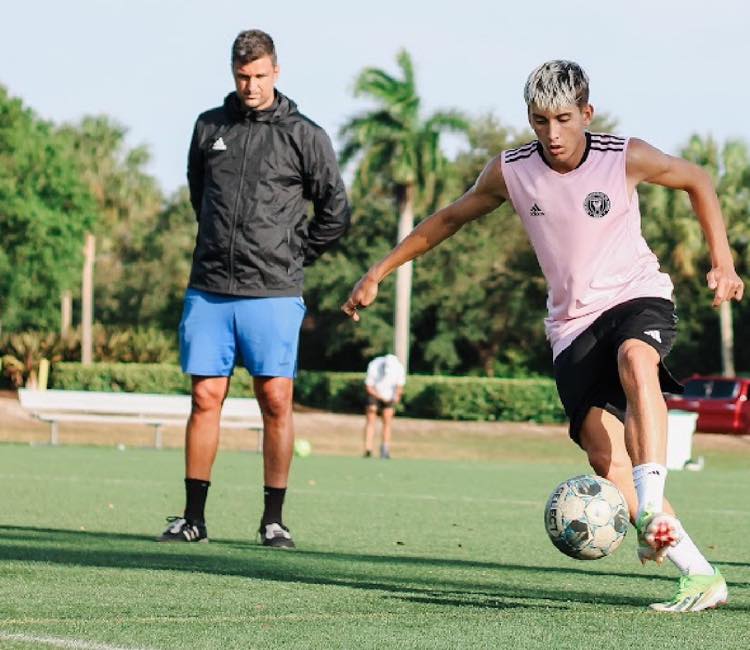
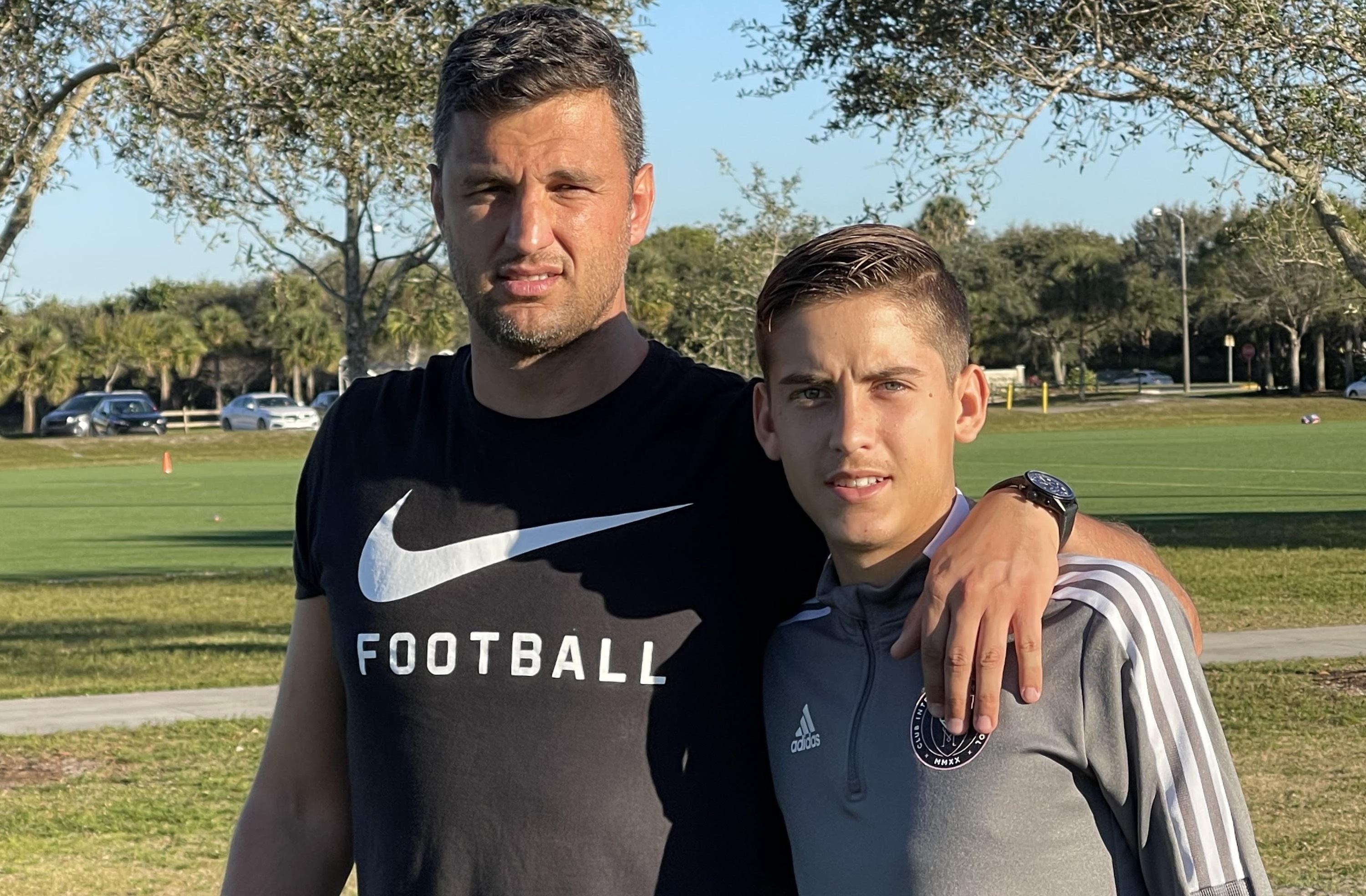
The young striker receives some "Hungarian assistance" in Florida to help him achieve his goals: György Cséke, a former Hungarian top-flight player, helps him develop through individual training sessions. The pair have been working together for many years. Cséke - who played for firt division teams like Honvéd and Nyíregyháza in Hungary - settled in Florida a few years ago, where he is involved in individual player development and training. In response to a question from YankeeFooty, he also assessed Pintér's progress to date and the milestone he has now reached:
"It was definitely time for his debut, there was a lot of hard work behind it and Dani totally deserved it. This is a huge thing. We've been working together since 2019, and right from the start, my colleagues and I knew that this guy had serious potential." - said Cséke. "I would like to take this opportunity to congratulate his parents on his debut, who have created a wonderful supportive environment for Dani. At the same time, I would like to thank them for the boundless trust they have placed in us from the very beginning. I would also like to highlight two of my colleagues, Bence Házi and László Dajka, who also put in a lot of hard work to make this moment happen. Dani was one of our first clients, one of the first young talents we trained. He practically grew up before our eyes, so yesterday was very emotional for us. Our credo is to create value. We want to educate valuable people we can be proud of. Dani means a lot to us not because he wears the Inter Miami jersey alongside Messi, but because of the person he has become. He is a decent, good guy who works hard for success."
Pintér is a player with dual American-Hungarian citizenship, and he has recently worn the jerseys of both national teams, so the question arises as to which country's jersey he will wear in the long term. In response, György Cséke said that the young talent is currently receiving a great deal of respect and attention from the US national team, so at the moment, it is most likely that he will wear the US U19 national team jersey in the coming period.
"We don't know what the future holds beyond that..." he added.
As a former Hungarian first division player, Cséke has extensive connections in Hungary, raising the question of whether he has already brought the young talent to the attention of the Hungarian Football Association. In response, he said the following:
"In October 2021, I sent all the information I had about Dani to Dr. Róbert Barczi, the sports director of the Hungarian Football Association. I already indicated at that time that this was a player with serious potential. I gave him all the data, information, and personal observations, emphasizing how talented he is. That was all I could do on my part. How seriously the association took this and what it did to convince the player to join the Hungarian national team is something you will have to ask them. We now have to focus on the tasks ahead of us, such as the next training day, where we will continue to work with Dániel to help him achieve his goals."
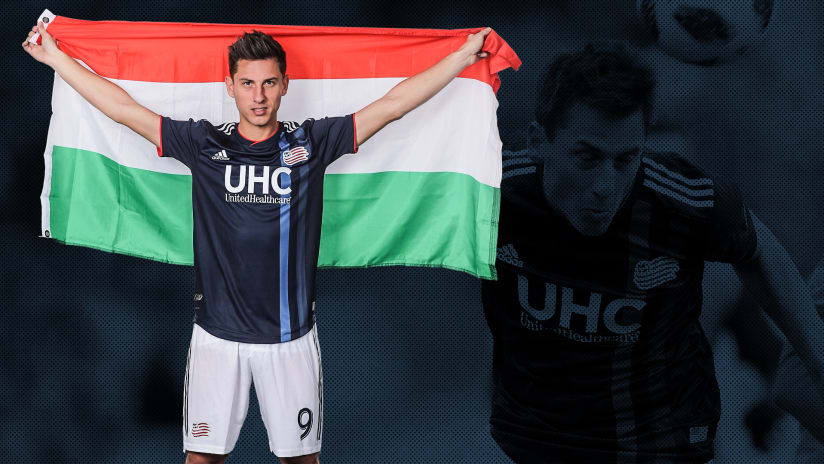
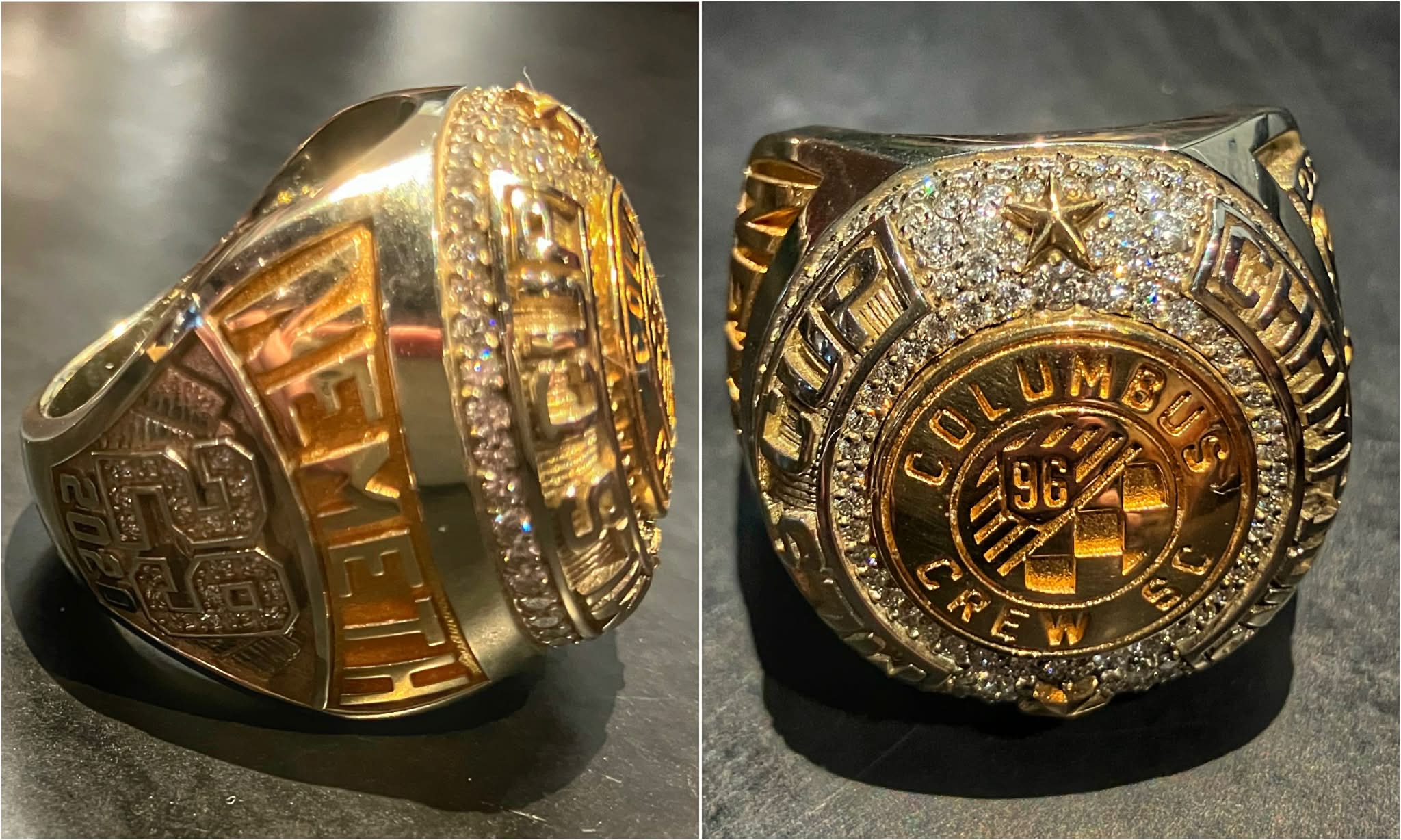
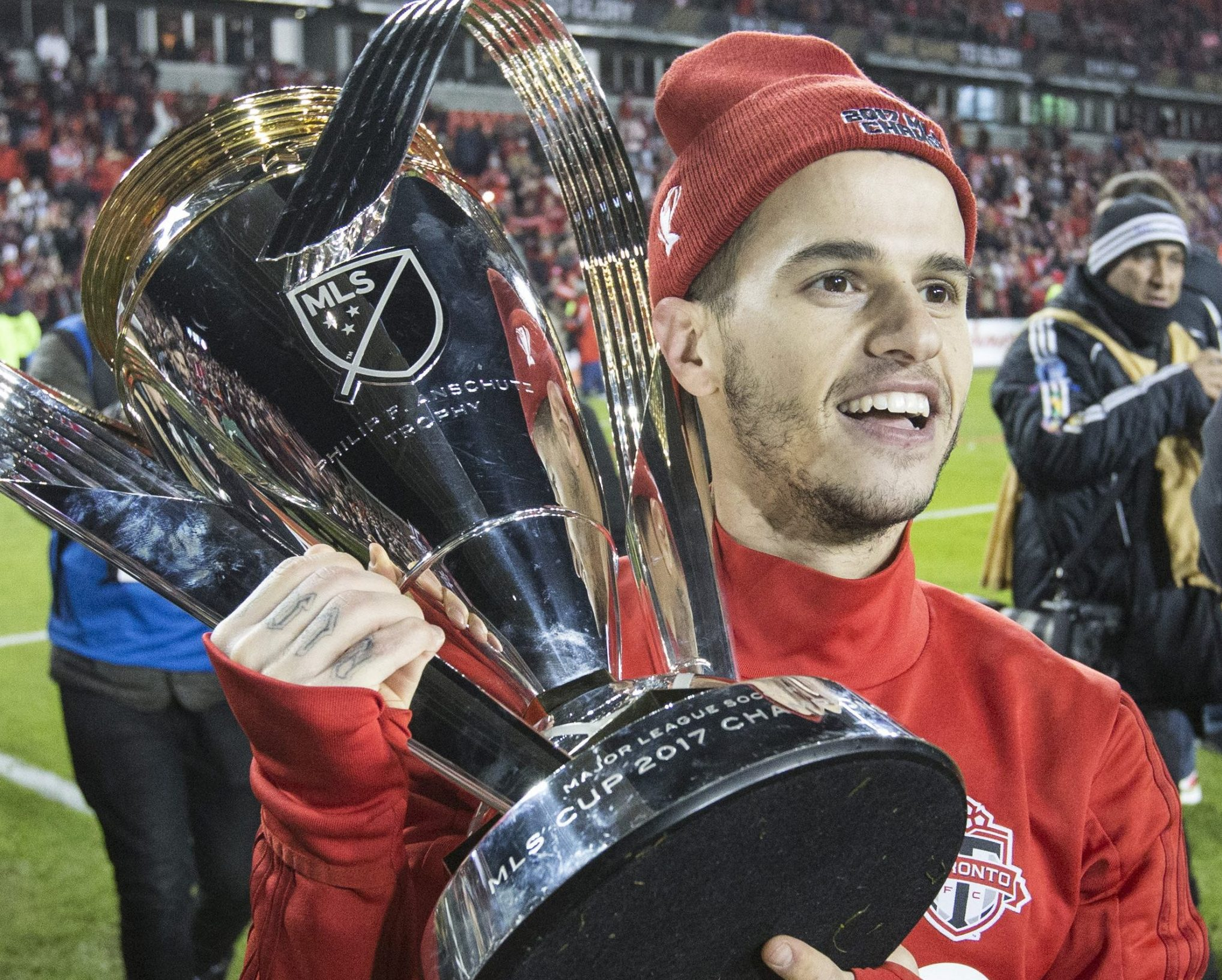
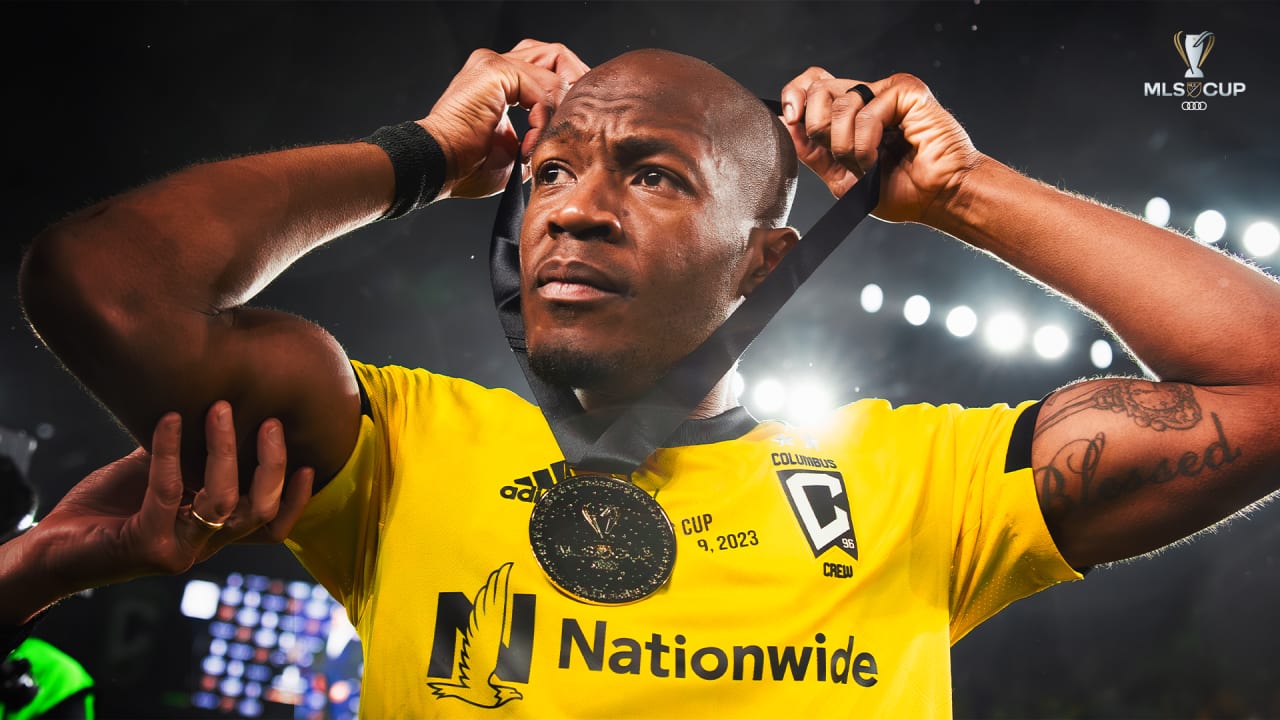
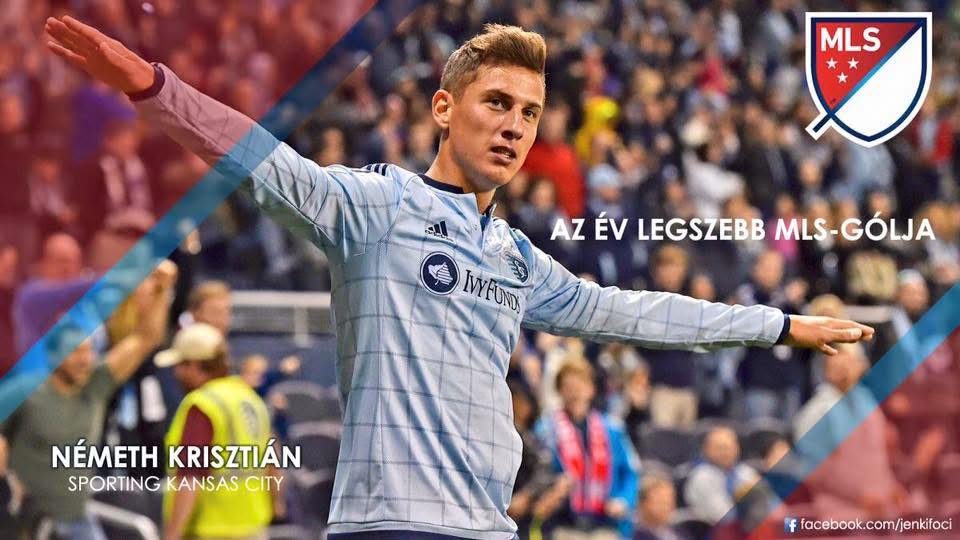
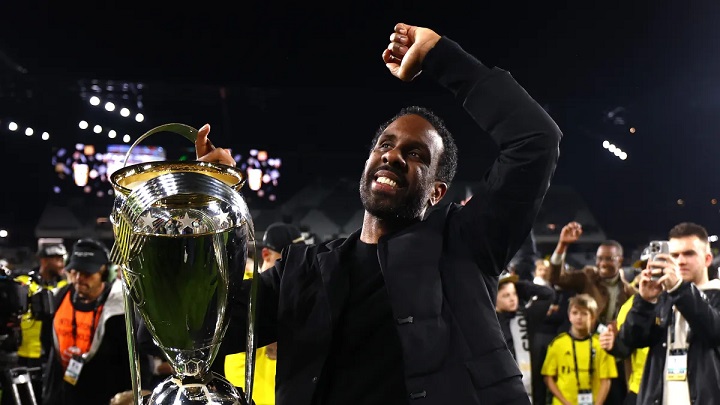
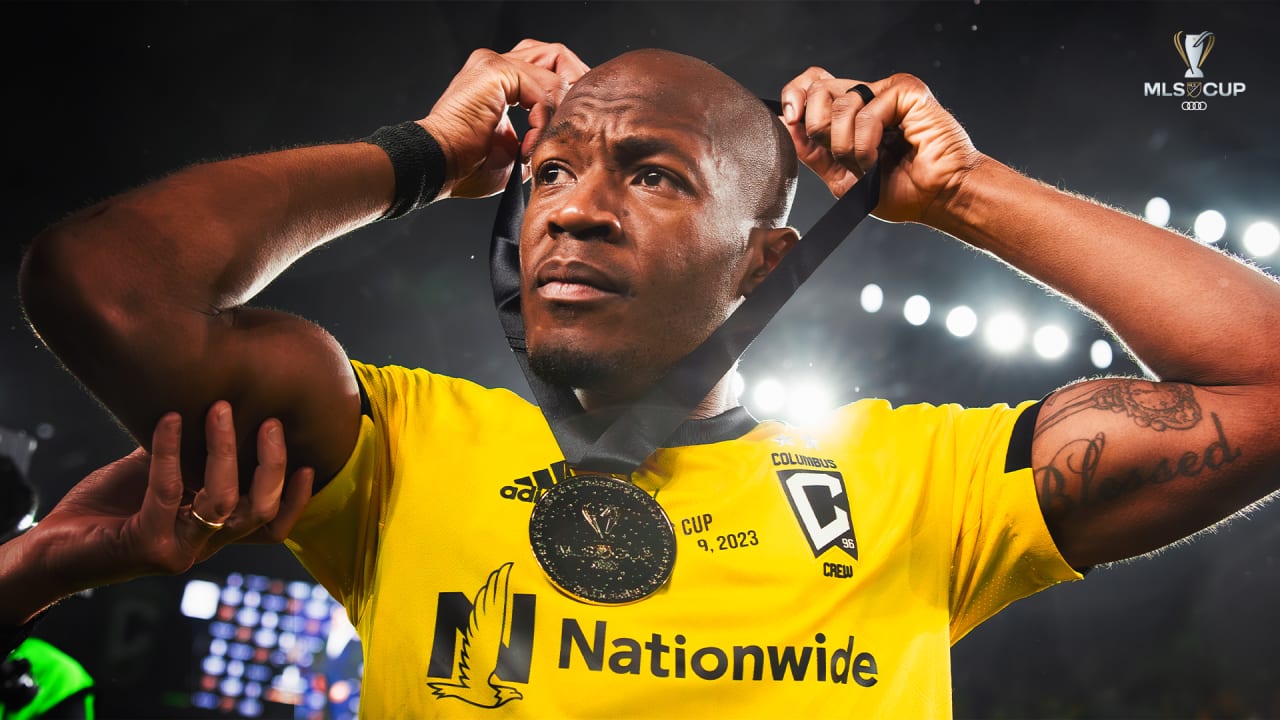
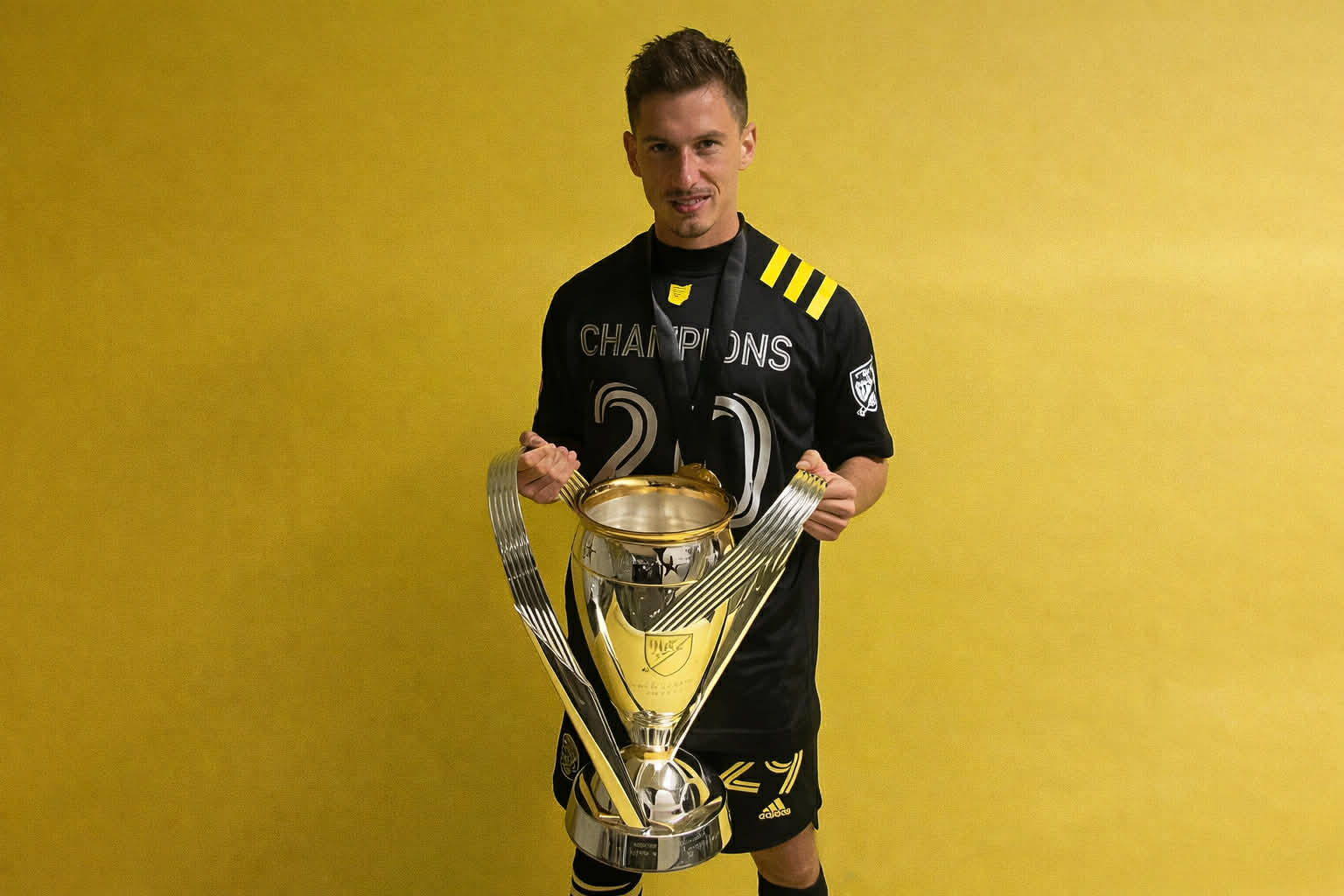
10 years ago, Krisztián Németh, former U19 European Championship bronze medalist and U20 World Cup bronze medalist, signed with Major League Soccer with the intention of giving his career a new boost. He was so successful that he won the US Open Cup in his first year and scored the MLS Goal of The Year, and later participating at the European Championship at the senior level. After a spectacular first MLS season, he somewhat unexpectedly signed a contract in the Middle East, but that was not the end of his American dream. In 2017, he returned to MLS, where five years ago, wearing the Columbus Crew jersey, he lifted the MLS Cup trophy. The only Hungarian champion in MLS history, the current MTK Budapest striker recalled his American career in an exclusive interview with YankeeFooty.
- Looking back after many years, how do you feel about when you first arrived in MLS in 2015? What was the biggest culture shock when you arrived?
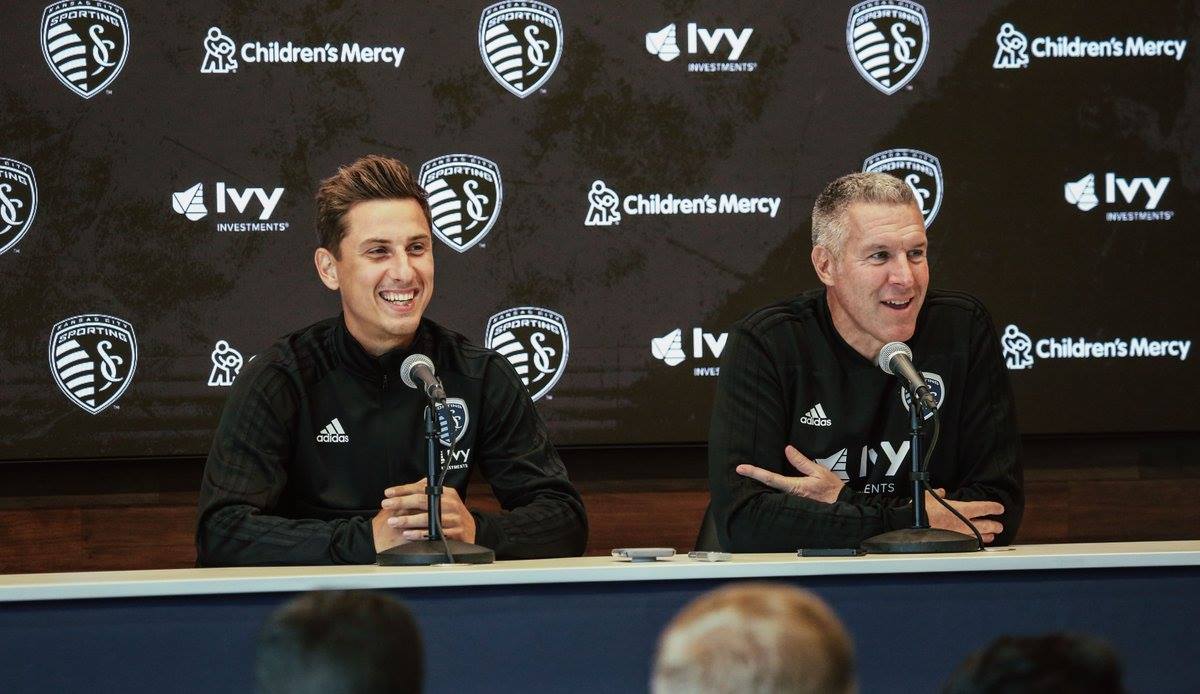
- István Urbányi, my compatriot who played in the MLS in the 1990s, told me a lot about the league long before I signed here. He specifically recommended it to me. Later, when he was working at the Sporting Kansas City academy, he recommended me to head coach Peter Vermes. Vermes trusted Urbányi's advice because they had known each other for a long time, having been teammates at the club in my Hungarian hometown of Győr. So Urbányi played a big role in launching my MLS career. He gave me a lot of information in advance, but there were still things that were difficult to get used to. For example, there are many different time zones within the country, as well as different climates, which I had to adapt to quickly from one game to the next. One day you're playing in the Texas heat, the next day you're up north in Vancouver or the Rocky Mountains. And speaking of travel, the many flights were also a challenge. At that time, we still traveled on regular commercial flights, and I often had to squeeze myself into the middle of the row. This improved later on, as we were given better seats on the planes, and then came the charter jets. At first, we only had the opportunity to use them a few times, but now the players can fly on them to almost every game. Another challenge was being so far away from my family, and the time difference made it difficult to communicate with them and my friends.
- From a sporting perspective, what was the biggest difference compared to Europe?
- The positive attitude that was present everywhere. I received such energy and encouragement from the fans out there, which is something you rarely experience anywhere else. Even after a bad game, they didn't boo us, they supported us throughout and stood by the team. It was a great experience.
- Was there anything in which MLS was ahead of European soccer back in 2015?
- The infrastructure wasn't bad. For example, the stadiums and training centers were easily on par with those of my former Greek team, Olympiacos. In fact, MLS was even ahead of the Dutch league in terms of conditions. Okay, I'm not talking about Ajax or PSV, but even my former team, Roda, was already outclassed by Sporting Kansas City in terms of infrastructure and club structure. I should add that SKC was a model club in the US at the time, and the conscious development carried out in Kansas City under the leadership of Peter Vermes was on a par with European standards.
- How were you received when you first arrived at Sporting Kansas City? How enthusiastic or confident were they?
- The environment was very welcoming. Of course, I have Peter to thank for that. Many people know that he is of Hungarian descent, so even back then, the club staff and fans had a positive view of Hungarians
.
Am I right in saying that you found a real home at Sporting Kansas City?
I had the best period of my entire career there. Interestingly, I played there as a winger, which is not my natural position. Peter Vermes was the first person to see my potential in that position. Thanks to that, I was able to play for the national team in a European Championship and was an important player in the qualifiers as well. I really enjoyed playing as a winger facing the goal, not with my back to it. I was able to develop much better, I had a greater influence on the game, and my individual skills were more effective. In addition, the whole team was very good around me. If we hadn't had such terrible luck against Portland in the playoffs, I think we would have won the championship. It was a crazy game. I scored our second goal, and the final score was 2-2, so it went to penalties. After my goal, I felt pain in my leg and asked to be substituted. In hindsight, I really regret that, as it would have been good to be on the field for the penalty shootout. But even so, the guys almost pulled it off, we could have advanced twice, but one of our decisive penalties hit both posts and went wide.
- Then Portland went all the way to MLS Cup, which they won...
- Yes, and if we look at all the teams, I think Portland and maybe Seattle were the best teams besides us. If we had gotten past Portland, I think we would have made it to the MLS Cup.
- But you also have fond memories of Portland. It was recently the 10th anniversary of you receiving the MLS Goal of the Year award for the goal you scored against them in the regular season. It was a spectacular solo effort
- There's an interesting story behind that goal. We had just won the US Open Cup and there was a big celebration afterwards, so we weren't exactly fresh. I started the game on the bench. Vermes knew I was coming home to join the national team and he took that also into account. Then he subbed me in during the second half. I was full of confidence because of the cup success, and I was playing as a striker rather than on the wing, which was unusual for me. Then that particular situation arose, and I started running toward the goal from the halfway line...
- How conscious and how instinctive was that goal?
- It was completely instinctive. It's like you get into a "flow," the defenders come at you and you just do what comes naturally. Then suddenly I find myself with the ball in the net and my teammates are clebrating with me.
- What did you feel when you found out that this goal had been voted the best goal of the season?
- I didn't even know there was such an award at the time, my teammates told me it would definitely be "Goal of the Year." Everyone has moments in their career that they will remember forever. This goal is one of those moments for me…
- Peter Vermes played a big part in making 2015 such a memorable season for you. Tell us a little about him! What kind of coach is he on a day-to-day basis?
- He always stands up for his players, but he has a system that he believes in very strongly. And that system comes before everything else. This particular tactical approach worked very well for SKC at the time. The results proved that his approach was the right one. I was able to benefit from this, as I was placed in a system that was in line with my strengths. Peter is a person with such a strong charisma and such a decisive confidence that he inspires the players. This is what helped me to be successful.
- Many people describe him as strict, stubborn, and tough coach...
- That's true, but we Hungarian players always joked among ourselves that if you wanted to get something done with Peter, you had to speak to him in Hungarian. Because when you communicate with him in English, he has a very strong charisma, but when he hears Hungarian, his American assertiveness disappears and you get a completely different Peter. That's when his Hungarian roots come out and his Hungarian heart softens.
- When you signed with the Qatari team Al-Gharafa in 2016, many people were surprised by your decision because it seemed that you had finally found your place in the United States where you could thrive. Can you tell us what motivated you to make the change?
- No one expected me to have such a good season in 2015. My salary did not reflect the status I had earned for myself on the team with my performance. When I signed with Sporting KC, we agreed that we would sit down again after my first season and discuss my contract. However, the salary cap in MLS made negotiations difficult. If you have a valid contract, the club has some leeway, but it's not easy to suddenly make you a "designated player." And if you don't fall into that category, they can only raise your salary to a certain extent because that's what the salary cap allows. It was a stalemate. And that was the moment when Sporting KC received a phone call from Qatar offering the club several million dollars for me. This was extremely tempting for SKC as well. I would have been happy to stay in America for a slightly higher salary, but SKC was not willing to give me that. In fact, I felt pressure to accept the Qatari offer because it was extremely lucrative for the club.
- You ended up spending a year and a half in Qatar. Then you returned to MLS, to New England Revolution. How different was your second "American era"?
- Looking back, I can say that New England wasn't the ideal choice...neither the team's playing system nor the city itself suited me, but at least I was back in MLS. However, it was a completely different league from the one I had left a year and a half earlier. The league had become much stronger.
- What do you mean by "the league was much stronger"? In what ways did you feel the difference?
In almost every way. The standard was much higher in both matches and training sessions. I was surrounded by much better players. The conditions were also much more professional, whether it was the infrastructure or traveling to away games. But that didn't come as a surprise to me. When I first signed with Kansas City in 2015, Peter Vermes outlined the league's five-year plan for me, which is aligned with the TV contract and the collective bargaining agreement with the players. This five-year plan sets out various milestones that need to be achieved. And these ideas have been implemented to the letter. No one in Hungary was aware of this at the time. When I signed with MLS, many people in Hungary began to write off my career, saying that I was signing with a "retirement league". But at the time, they outlined exactly how this league would develop. It was great to see and experience all of this come to fruition.
- When you returned to MLS, you worked with Brad Friedel at New England, who was just starting his coaching career at the time. Many people in Hungary are familiar with the former iconic goalkeeper of Tottenham and the Premier League. What was he like as a coach?
- Back then, I was signed by Jay Heaps, who was dismissed shortly afterwards. Then the new season came and Friedel arrived. As a person, I can only say the best things about him, I had a very good personal relationship with him. But as a player, I wasn't his type, that's just how it is. He mainly focused on physical play. His training sessions were so tough that I lost weight to an unhealthy extent. This kind of power football doesn't suit my game at all. I couldn't perform at a high level at New England, there's no point in sugarcoating it. But then Peter (Vermes) came along and saved my career... for the second time.
- Peter Vermes brought you back to Kansas City in August 2018. Did Sporting Kansas City change a lot during your absence, just like the league did?
- The difference was huge. We got a state-of-the-art training center. The roster also got a lot stronger. It was harder to make the team because there were much tougher rivals around.
- How would you rate your second stint in Kansas?
- It didn't go as well as it could have. I had a really good six months, scoring goals in both MLS and the CONCACAF Champions League. But I had a lingering injury that I didn't talk about at the time. I had a groin injury, which I later had surgery for. It had a significant impact on my performance at the time, and I couldn't get the most out of myself.
- This period was also memorable because Sporting KC had three Hungarian players at the same time. Alongside you, Dániel Sallói and Botond Baráth also played regularly for the team. How do you remember the everyday life of the little "Hungarian colony"?
- I think we worked well together, there was a brotherhood between us. But at the same time, we were careful not to form a separate clique in the locker room, all three of us were on good terms with the whole team. Unfortunately, we didn't manage to achieve anything memorable on the field, as we didn't make it to the playoffs. That's why I feel a bit disappointed.
- Your last MLS club was Columbus Crew. Shortly before your arrival, the team escaped relocation, largely thanks to the incredible solidarity of its fans. How much did you feel this unparalleled fan passion?
- The Crew fans are truly incredible, but to be honest, I had similar feelings in Kansas City. The SKC and the Crew are two teams where the fans really are the 12th player. I should add that I played for Columbus during COVID, so we couldn't have sold-out games and had much less direct interaction with the fans. But of course, I was aware of the team's rich history and what the local fanatics had done to keep the team alive. That carries a lot of weight there. You can feel this atmosphe, even when the stands aren't full. The Columbus fan base has a history, and it's an honor to play in front of them.
- With Columbus, you became the first – and so far only – Hungarian champion in MLS history. Although you didn't play in the MLS Cup final, you scored a crucial goal in the penultimate round of the regular season, which ultimately secured home field advantage in the playoffs. Overall, what did this championship title mean to you?
- There have been many ups and downs throughout my career, with beautiful high points and disappointing moments. I see the MLS Cup title as a kind of gift. Obviously, I contributed to the success, but at times like this, I always think that I could have joined this team much earlier, as they had contacted me several times in previous years, but somehow the transfer never went through. Anyway, for some reason, it turned out that I only got half a year at the club. So, overall, I see this championship title as the icing on the cake of my American career. Obviously, I wasn't the one of the star players in those six months, but overall, I'm very proud to have this beautiful championship ring.
- As far as I know you still follow MLS today. How would you describe the progress that has been made in the 10 years since you joined in 2015?
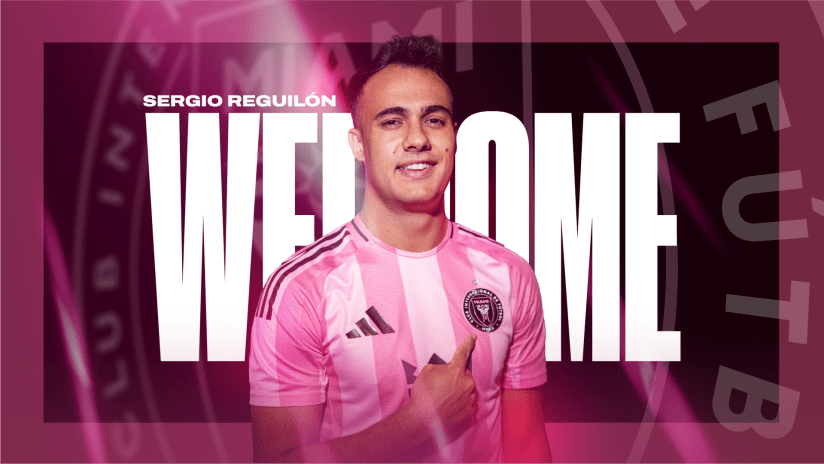
- The improvement in standards since then has been staggering, whether in terms of conditions, travel, stadiums, training centers... Over the next 10 years, some very high level players will sign here to continue their development. And players with world-class potential will emerge from this league. MLS is no longer a "retirement league". North America is now a serious recruitment base for the top European leagues. No one can deny this. I think the next step will be that more and more top players will want to sign here in their prime years. That's the next milestone. The prime example of this is Sergio Reguilón, who recently signed with Inter Miami. In the coming years, after the top European leagues, MLS could be the biggest market for the top players.
- So you think this is entirely realistic?
- Absolutely. But of course, it depends on what they do with the salary cap and the number of desiganted players. But TV companies and fans are also insisting that the time has come for MLS to move to a new level. Of course, we know that salary caps and strict economic regulations are fundamental to all American sports, so the question is how they will be able to change this deeply rooted sports culture.
- In MLS, you played against star players such as Wayne Rooney, Steven Gerrard, Carlos Vela, Sebastian Giovinco, Andrea Pirlo, Bastian Schweinsteiger, Miguel Almirón, Robbie Keane, Clint Dempsey, Josef Martínez, and Tim Howard. Who was the most exciting opponent to play against, and who proved to be the most difficult?
- Because of my years at Liverpool Academy, it was a great experience to play against Steven Gerrard and Robbie Keane. It was also a great experience to compete against Andrea Pirlo. But the best of them all was Sebastian Giovinco at Toronto. I think what he did in the MLS was amazing.
Zlatan was also an interesting character. He scored an incredible number of beautiful goals, but at the same time he pretty much walked through the game. But that's just the kind of person he is, and he has a special aura that people either love or hate. You can see that in interviews, and you could feel it on the pitch too. But he's a bit like Cristiano Ronaldo, who I was also lucky enough to play against during my career: both of them are worth watching even when they don't have the ball. But overall, it can be said that almost all the stars took MLS very seriously and contributed to the development of the league. These legends didn't just come to collect their big paychecks, they really tried to give their best. Their attitude was exemplary without exception. And even so, one or two of them still struggled.
- But I think these stars were able to reach the top of the soccer world precisely because they have a mentality that takes every single game and every single training session seriously, no matter where they are in the world.
- That's right. But this was a common thing in MLS, every player was like that. What struck me very quickly was that the players here are incredibly conscious and professional. They took themselves very seriously, whether it was proper nutrition, sleep, or similar daily routines. This attitude is now present in Europe as well, but that wasn't the case back then. I could mention planning for life after soccer as an example. The MLS was also a pioneer in this area: the league supports players' higher education and offers financial advisory programs, for example. It was good to experience this. I also learned in the MLS how to manage my finances and think about my life after soccer.
- We talked about famous opponents, but you also played alongside excellent USMNT players such as Benny Feilhaber, Gianluca Busio, Aiden Morris, Darlington Nagbe, Matt Turner, and the then young Sebastian Berhalter. Who do you consider the best player among them?
- I would definitely mention Benny from Sporting KC, who didn't play in the Bundesliga by accident. But the one with the best skills by far is Nagbe. It's unbelievable that he didn't play in Europe. He could have performed at a very high level practically anywhere in the world. Anyone who knows him knows what a tremendous work ethic he has. He brings a balance to the team that very few players in Europe are capable of. He was also incredibly confident on the ball; when he had it, there was no chance for the opponent to get it back. I can say without exaggeration that he was easily a Premier League-level player.
- And he wasn't the only one. In recent years, the league has produced players such as Thiago Almada, Taty Castellanos, Tyler Adams, Alphonso Davies, Diego Gómez, Tanner Tessmann, Ricardo Pepi, and Cucho Hernandez for Europe's top leagues. Based on this list, where would you place MLS in the ranking of world soccer leagues and in the global soccer market?
- As I mentioned, this is no longer an easy league. It is much more of a strong springboard to Europe's top leagues. It is a great opportunity for young players who are not yet ready for a top league but want to reach that level. Because, as the examples listed above show, after a couple of good MLS seasons, a European club will come knocking on their door.
- If we translate this into a European context, does this mean the level of the Dutch or Belgian leagues? Is MLS equivalent to them?
- I think it's stronger than that. The designated players alone raise this league above the Belgian or the Dutch league. In terms of quality, I would currently place MLS directly behind the top five European leagues.
- Since we mentioned the USMNT players earlier... In 2026, the United States will co-host the World Cup with Mexico and Canada. What are your expectations for the World Cup?
- After the last World Cup in the US, there was a huge boom in the popularity of soccer, and I expect the same thing to happen this time. With Messi's arrival, the signs of this ’soccer boom’ are already beginning to show, but the real breakthrough is expected during and after the World Cup. The combination of Messi and the World Cup will open previously impenetrable doors and attract countless children to the world of soccer. Now the US has the infrastructure to absorb this flood of talent. This wasn't the case after the 1994 World Cup, so I'm expecting an even bigger breakthrough this time around. I believe that American soccer will produce many more star players.
- What do you expect from the US team at the World Cup?
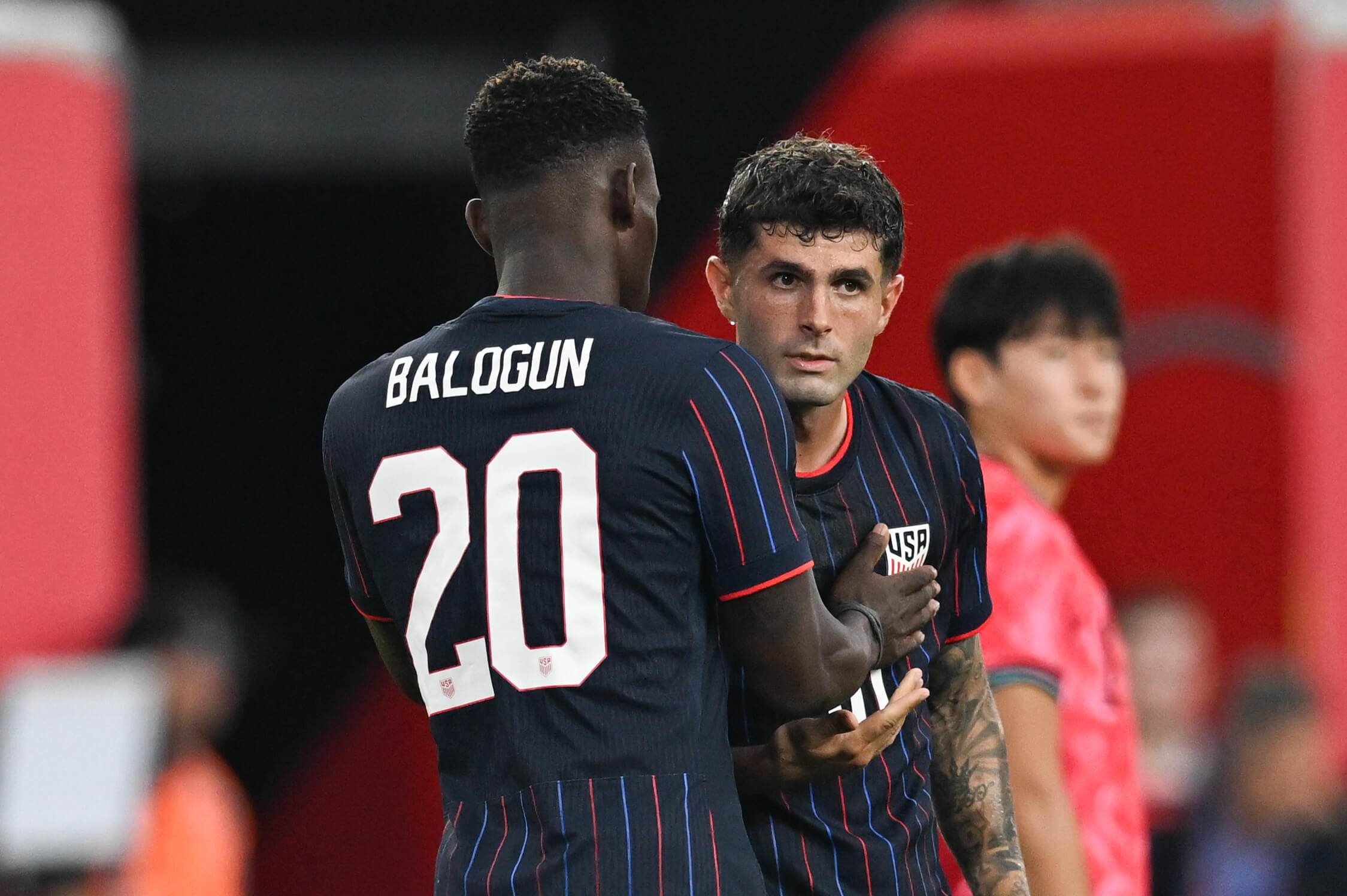
- I thnk they have a couple of holes in their lineup. If they can fill those positions before the World Cup starts, they could go far. I think they're fine on the offensive front thanks to Folarin Balogun, who plays great for Monaco and the national team. I could also mention Ricardo Pepi from PSV. But I feel the US team is a little shaky at the back. If they can solve this problem, they could go far. But if not, they'll be out quickly. I think they'll advance from the group stage, but from then on it'll depend on the draw. If they face a stronger team, I think they will struggle, as their defensive weaknesses will prevent them from causing any surprises.
- Who do you consider to be the best American players right now?
- Christian Pulisic is clearly the best, and Balogun is also very promising. I think Tyler Adams is a good player too. McKennie is a bit inconsistent for me. He has some good moments, but Adams and Pulisic are on another level. Then there's Antonee Robinson, who plays at a very high level in the Premier League week in, week out. But I think this team is lacking in the center back position, and there are also serious question marks in the goalkeeper position. I think this is cause for serious concern.
- Can Mauricio Pochettino's personality and professional expertise overcome these problems?
- He is a world-class, top coach. I am familiar with his working style because Brad Friedel also came out of the Pochettino school. Based on this, I believe that Pochettino will get the most out of this team. We'll see how far that takes them. I hope they make it to at least the round of 16, but we'll see.
- Let's end our conversation by looking ahead to the future. Soon, you will inevitably have to hang up your boots. After your playing career, do you have any plans to return to America and work in the world of MLS?
- I have that ambition. I would like to be a link between America and Europe. What position or role I will be able to do that in is still to be seen...
Az egykori U19-es EB-bronzérmes és U20-as VB-bronzérmes Németh Krisztián tíz évvel ezelőtt azzal a szándékkal igazolt a Major League Soccerbe, hogy új lendületet adjon karrierjének. Ez olyannyira jól sikerült, hogy első évében US Open-kupagyőztes lett és a szezon legszebb találatát szerezte, később pedig felnőtt Európa-bajnokságon is részt vett. Parádés első MLS-szezonja után némileg váratlanul a Közel-Keletre szerződött, de az amerikai álom ezzel nem ért véget. 2017-ben visszatért az észak-amerikai profi ligába, ahol öt évvel ezelőtt, a Columbus Crew mezében a bajnoki serleget is magasba emelhette. Az MLS történetének egyetlen magyar bajnoka, az MTK jelenlegi csatára a Jenkifocinak adott exkluzív interjúban emlékezett vissza amerikai pályafutására.
Sok év távlatából miként tekintesz vissza arra, amikor először, 2015-ben megérkeztél Amerikába és az MLS-be? Mi jelentette a legnagyobb kultúrsokkot amikor megérkeztél?
Az MLS-ben egykor játékosként is megforduló Urbányi István már az Amerikába igazolásom előtt is sokat mesélt nekem a bajnokságról, kifejezetten ajánlotta nekem ezt a ligát. Neki klomoly szerepe van abban, hogy az MLS-ben kötöttem ki, hiszen a Sporting Kansas City akadémiáján dolgozott, amikor beajánlott Peter Vermes vezetőedzőnek. Szóval Urbányi jó előre beavatott sok mindenbe, de azért voltak dolgok, amit nehéz volt megszokni. Ott van például az országon belül rengeteg eltérő időzóna, valamint a különböző éghajlatok, amihez gyorsan alkalmazkodni kellett egyik meccsről a másikra. Egyik nap még a texasi hőségben játszol, másik nap már északra Vancouverbe, vagy a Sziklás-hegységbe. És ha már az utazás: a sok repülőút is kihívást jelentett. Abban az időben még sima kereskedelmi járatokkal utaztunk, nem egyszer a sor közepén kellett meghúznom magam. Ez aztán később fejlődött, egyre jobb helyeket biztosítottak nekünk a repülőkön, aztán jöttek a magángépek. Először csak néhány alkalommal volt lehetőség az igénybe vételére, most meg már majdnem minden meccsre azzal mehetnek a játékosok. Aztán emellett még kihívást jelentett az is, hogy ilyen messze voltam a családomtól és a nagy időeltolódás miatt a velük és a barátokkal való kommunikációt is kihívás volt megoldani.
Sportszakmailag mi volt a legnagyobb különbség Európához képest?
A pozitivitás, ami az egész közeget jellemezte. Olyan energiát és biztatást kaptam odakinn a szurkolóktól, amit nagyon kevés helyen lehet megtapasztalni. Még egy rosszabb meccs után sem szidalmaztak, végig támogattak és a csapat mellett álltak. Ezt nagyon jó volt átélni.
Volt olyan dolog, amiben már akkor, 2015-ben előrébb járt az MLS az európai labdarúgáshoz képest?
Az infrastruktúra nem volt rossz. Teszem azt, az Olimpiakosszal például bőven felvették a versenyt a stadionok és az edzőközpontok. Sőt, még a holland bajnokságnál is előrébb járt az MLS a körülményeket illetően. Jó, nem az Ajax-ra vagy PSV-re gondolok, de egykori csapatomnál, a Rodánál már akkor előrébb járt a Sporting Kansas City az infrastruktúrát és a klub felépítését illetően is. Hozzáteszem, az SKC akkoriban egy mintaklub volt Amerikában, az a tudatos építkezés, amit Peter Vermes vezetésével véghez vittek Kansas City-ben, az európai szintű volt.
Milyen volt a fogadtatásod, amikor először megérkeztél a Sporting Kansas City-hez? Mennyire lelkesen, vagy bizakodva fogadtak?
Befogadó volt a közeg. Ezt persze Peternek is köszönhetem. Sokan tudják róla, hogy magyar származású, ezért már akkoriban pozitívan tekintettek a klubnál dolgozók és a szurkolók a magyarokra.
Nem tévedek, ha azt mondom, hogy a Sporting Kansas City-nél igazi otthonra leltél?
Egész pályafutásom legjobb korszakát ott éltem meg. Méghozzá érdekes módon szélsőként, ami elvileg nem is az én posztom. Először Peter Vermes volt az, aki ott látta meg bennem a potenciált. Ennek köszönhető az, hogy aztán a válogatottban ott lehettem egy Európa-bajnokságon és fontos játékos voltam a selejtezőkön is. Nagyon élveztem, hogy szélsőként a kapuval szemben játszhatok, nem háttal vagyok a mezőnynek. Sokkal jobban ki tudtam bontakozni, nagyobb befolyással voltam a játékra, az egyéni megoldásaim jobban érvényesültek. Emellett az egész csapat nagyon jó volt körülöttem. Ha akkor ott a rájátszásban nincs olyan borzasztó balszerencsénk a Portland ellen, akkor szerintem megnyerjük az egész playoffot és magasba emelhettük volna a bajnoki serleget.. Az egy őrült meccs volt. Én rúgtam a második gólunkat, a vége aztán 2-2 lett és a büntetők döntöttek. A gólom után fájdalmat éreztem a lábamban és cserét kértem. Utólag ezt nagyon bánom, jó lett volna pályán lenni a tizenegyeknél. De így is majdnem behúzták a srácok, kétszer is továbbjuthattunk volna, az egyik sorsdöntő büntetőnk mindkét kapufát érintve maradt ki.
Utána ez a Portland egészen a Nagydöntőig menetelt, amit meg is nyertek…
Igen és ha megnézzük akkor a bajnokság teljes mezőnyét, akkor szerintem ők és a Seattle voltak rajtunk kívül a legjobb csapat. Ha túljutottunk volna a Portlanden, akkor szerintem ott lettünk volna a döntőben.
De azért vannak kellemes emlékeid is a Portlandről, nemrég volt a 10 éves évfordulója annak, hogy megkaptad „Az Év MLS-gólja”-díjat azért a találatért, amit ellenük lőttél az alapszakaszban. Parádés szóló volt!
Érdekes sztorija van annak a gólnak, épp előtte nyertük meg a US Open-kupát és volt utána egy nagy ünneplés, tehát nem voltunk a legfrissebbek. Én a kispadon kezdtem a mérkőzést. Vermes tudta, hogy jövök haza majd a válogatotthoz és ezt is figyelembe vette. Aztán becserélt a második félidőben. Én a kupasiker miatt tele voltam önbizalommal, ráadásul kivételesen nem a szélen, hanem csatárként szerepeltem. Aztán jött az a bizonyos szituáció és a félpályáról megindultam.
Mennyire volt tudatos és mennyire volt ösztönös az a gól?
Teljesen ösztönös volt. Ez olyan, hogy az ember bekerül egy „flow”-ba, csak jönnek előtted a védők és csinálod amit úgymond „dob a gép”. Aztán hirtelen azon kapom magam, hogy a labda ott van a hálóban és a csapattársaim letepernek.
Mit szóltál, amikor megtudtad, hogy megválasztották ezt a találatot az év legszebb góljának?
Én akkoriban nem is tudtam, hogy van ilyen díj, a csapattársaim mondták, hogy ez biztosan „Goal of the Year” lesz. Mindenkinek van olyan pillanat a karrierjében, amire örök időkig emlékezni fog. Nekem ez a gól is ilyen, ez örökre megmarad.
Peter Vermesnek, nagy szerepe volt abban, hogy ilyen emlékezetes év szezon lett számodra 2015. Mesélj kicsit a magyar származású edzőről? Milyen típusú szakvezető ő a mindennapokban?
Játékospárti edző, de van egy rendszer, amiben nagyon hisz. Ez a konkrét taktikai elképzelés abban az időben nagyon jól működött az SKC-nél. Ezt az eredmények is igazolták. Én ennek az előnyét élvezhettem, hiszen egy olyan rendszerbe kerültem bele, amibe összhangban volt az én erényeimmel. Peter egy olyan ember, akinek olyan erős kisugárzása van, olyan határozott magabiztossággal rendelkezik, ami a játékosokat is viszi magával. Engem is ez segített hozzá a sikerességhez.
Sokan vasszigorú, makacs, kemény emberként jellemzik őt...
Ez így is van, de mindig arról poénkodtunk egymás közt a magyar játékosokkal, hogy ha valamit szeretnél elérni Peternél, akkor magyarul szóljál hozzá. Mert amikor angolul kommunikálsz vele akkor van egy nagyon határozott karizmája, de amikor magyar szót hall, akkor az amerikai határozottsága elillan és egy teljesen más Petert kapsz. Olyankor ellágyul az a magyar szív..
Amikor 2016-ban a Közel-Keletre távoztál, sokakat meglepett a döntés, mert úgy tűnt, az KSC -nél végre megtaláltad a helyedet, kezdtél kiteljesedni. Tudsz mesélni, mi motivált akkor a váltásban?
Senki sem számított arra, hogy 2015-ben ilyen jó szezont futok. A csapaton belül a fizetésem közel sem tükrözte azt a státuszt, amit a teljesítményemmel kivívtam magamnak. Amikor aláírtam a Sporting KC-hez, abban maradtunk, hogy az első szezonom után újra leülünk egymással és átbeszéljük a szerződésemet. Az MLS-ben alkalmazott fizetési plafon azonban megnehezítette a tárgyalást. Ha van egy élő szerződésed, akkor a klubnak van ugyan mozgástere, de nem könnyen tud hipp-hopp „kiemelt fizetésű játékost” (designated player) csinálni belőled. Ha pedig nem kerülsz be ebbe a kategóriába, akkor csak egy bizonyos mértékben tudják emelni a béredet, mert a bérplafon ennyit tesz lehetővé. Patthelyzet volt. ÉS ez volt az a pillanat, amikor befutott a Sporting KC-hez a a katari ajánlat, többmillió dollárt kínálva a játékjogomért. Ez rendkívül csábító volt az SKC számára is. Én egy kicsivel több fizetésért szívesen maradtam volna Amerikában, de azt az SKC nem akarta megadni. Sőt, már-már nyomást érzékeltem annak irányába, hogy fogadjam el a katari ajánlatot, mert az a klubnak is rendkívül jövedelmező volt.
Végül másfél évet húztál le az Al-Garafánál, utána visszatértél az MLS-be, a New Englandhez. Mennyiben volt más ez a második „amerikai korszakod”?
Utólag most már azt mondhatom, hogy a New England nem volt ideális választás…sem a csapat játékrendszere, sem maga a város nem illet hozzám, de legalább visszakerültem a bajnokság vérkeringésébe. De ez már egy teljesen másik bajnokság volt, mint ahonnan másfél évvel azt megelőzően távoztam. Sokkal erősebb lett a liga.
Ez miben nyilvánult meg?
Majdnem mindenben. A színvonal sokkal magasabb volt a meccseken és az edzéseken is. Sokkal jobb játékosok vettek körül. A körülmények is sokkal profibbak voltak, legyen szó az infrastruktúráról vagy az idegenbeli meccsekre való utazásokról. De ez nem ért engem meglepetésként. Amikor anno 2015-ben a Kansas City-hez igazoltam, akkor Peter Vermes felvázolta nekem a liga ötéves tervét, ami igazodik a tévés szerződéshez és a játékosokkal kötött kollektív szerződéshez. Ebben az ötéves tervben különböző mérföldkövek vannak kijelölve, amiket el kell érni. És ezeket az elképzeléseket betűről betűre megvalósították. Itthon ezzel akkor senki sem volt tisztában. Amikor én kiigazoltam az MLS-be, Magyarországon sokan temetni kezdték a karrieremet azzal a szöveggel, hogy „nyugdíjasligába” szerződök és „levezetek”. De nekem akkor pontosan felvázolták, hogyan fog fejlődni ez a liga. Nagyon jó volt látni és megtapasztalni, hogy mindez megvalósult.
Amikor visszatértél az MLS-be, a New Englandnél Brad Friedelnél dolgozhattál együtt, aki akkor kezdte edzői pályafutását. Magyarországon is sokan ismerik a Tottenham és a Premier League egykori ikonikus kapusát. Edzőként ő milyen volt?
Anno engem még Jay Heaps igazolt le, akit azonban utána nem sokkal menesztettek. Utána jött az új szezon és jött Friedel. Emberileg csak a legjobbakat mondhatom róla, nagyon jó volt a személyes kapcsolatom vele. De játékosként nem én voltam a típusa, van ilyen. Ő főként a fizikális játékra fektette a hangsúlyt. Olyan kőkemény edzések voltak nála, hogy én már-már egészségtelen mértékben lefogytam. Ez a fajta erőfutball az én játékomhoz egyáltalán nem illet. Nem is ment úgy ott a játék, nem kell szépíteni. De aztán jött Peter és megmentette a karrieremet…másodszor.
Peter Vermes 2018 augusztusában vitt vissza téged a Kansas City-hez. Ahogy a bajnokság úgy a Sporting Kansas City is sokat változott a távolléted alatt?
Brutális volt a különbség. Lett egy csúcsmodern edzőközpontunk. A játékoskeret is sokkal erősebb lett. Nehezebb volt a csapatba kerülni, mert sokkal komolyabb riválisok vettek körül.
Hogyan értékeled ezt a második kansasi időszakodat?
Nem sikerült annyira jól, mint amennyire sikerülhetett volna. Volt egy kifejezetten jó fél évem, a bajnokságban és a Bajnokok Ligájában is rugdostam a gólokat. De közben volt egy lappangó sérülésem, amiről akkor nem beszéltem. Lágyéksérvem volt, később műtöttek is vele. Ez akkoriban elég erősen befolyásolta a teljesítményem, nem tudtam kihozni magamból a maximumot.
Ez az időszak arról is emlékezetes volt, hogy egy időben három magyar játékost is foglalkoztatott a Sporting KC. Melletted Sallói Dániel és Baráth Botond is rendszeresen játszott a csapatban. Miként emlékszel vissza a kis „magyar kolónia” mindennapjaira?
Szerintem jól működött köztünk az összhang, összetartottunk mi hárman. De közben azért arra is komolyan odafigyeltünk, hogy ne klikkesedjünk, vegyültünk az egész csapattal. A pályán sajnos nem sikerült együtt olyan emlékezeteset alakítanunk, hiszen nem jutottunk be a rájátszásba. Emiatt van bennem némi hiányérzet.
Utolsó MLS-klubod a Columbus Crew volt. Az együttes nem sokkal a megérkezésedet megelőzően menekült meg az elköltöztetéstől, jórészt a hihetetlen szurkolói összefogásnak köszönhetően. Te mennyit érzékeltél ebből a páratlan szurkolói szenvedélyből?
Valóban hihetetlenek a Crew szurkolói, de megmondom őszintén, nekem Kansas City-ben is hasonló érzéseim voltak. A New Englandnél nem. A bostoni csapatnál nem érzékeltem ilyen erős szurkolói bázist. De Az SKC és a Crew is olyan együttes, ahol tényleg a drukkerek jelentik a tizenkettedik játékost. Hozzáteszem, Columbusnál a koronavírus időszakában futballoztam, így nem lehettek teltházas meccseink és sokkal kevesebb volt a közvetlen interakciónk a szurkolókkal. De természetesen tisztában voltam az együttes komoly múltjával és azzal, mit tettek azért a helyi fanatikusok, hogy életben tartsák az együttest. Ennek ott komoly súlya van. Egésze egyszerűen az ember a zsigereiben érzi ezt az atmoszférát még akkor is, ha nincs tele a lelátó. A Columbus szurkolótáborának történelme van, megtiszteltetés előttük játszani. Ezt érzik a játékosok is.
A Columbus-szal te lettél az MLS történetének első – és mindmáig egyetlen - magyar bajnoka. A Nagydöntőben ugyan nem léptél pályára, de az alapszakasz utolsó előtti fordulójában egy olyan fontos gólt szereztél, amely végül a hazai pálya előnyét biztosította a rájátszásban. Összességében mit jelentett számodra ez a bajnoki cím?
Sok hullámzás volt az egész pályafutásomban, voltak benne emelkedettebb pillanatok és csalódást keltő momentumok is. A bajnoki címet egyfajta ajándékként fogom fel. Nyilván hozzátettem azért valamit én is a sikerhez, de azért ilyenkor mindig az jut az eszembe, hogy sokkal korábban is odakerülhettem volna ehhez az együtteshez, hiszen a korábbi években többször is felvették velem a kapcsolatot, de valahogy sosem sikerült végül az átigazolás. Mindegy is, ez anno valamiért így alakult, hogy végül csak fél év jutott nekem Columbus-ban. Úgyhogy összességében ezt a bajnoki címet egyfajta ajándékként fogom fel, ami felteszi a koronát az amerikai pályafutásomra. Nyilván abban a fél évben nem én voltam a főszereplő, de összességében nagyon büszke vagyok rá, hogy van egy gyönyörű bajnoki gyűrűm.
Úgy tudom, a mai napig követed az MLS-t. Miként tudnád jellemezni azt a fejlődést, ami a 2015-ös odaigazolásod óta eltelt 10 évben végbement?
Döbbenetes az a színvonal-emelkedés ami azóta végbement, legyen szó a körülményekről, az utazásokról, a stadionokról, az edzőközpontokról… Ez olyan szintű fejlődés, ami alapján szerintem a következő 10 év arról fog szólni, hogy milyen komoly kaliberű játékosok fogják ezt a bajnokságot választani, vagy éppen innen kikerülni. Ez már nem egy „nyugdíjas-liga”, ahova levezetni jönnek. Észak-Amerika már komoly felvevő-bázisa a legjelentősebb európai bajnokságoknak. Emellett már nem lehet szó nélkül elmenni. A következő lépés szerintem az lesz, hogy egyre több topon lévő játékos akar majd ide igazolni. Ez a következő cél. Ennek ékes példája Sergio Reguilón, aki nemrég írt alá a Miamihoz. A következő időszakban az európai topligák után az MLS lehet az európai sztárok legnagyobb felvevő piaca.
Akkor ezt te teljesen reálisnak érzed?
Abszolút. De persze természetesen ezt attól függ, mit kezdenek a fizetési plafonnal és a kiemelt fizetésű játékosok számával. De a tévétársaságok és a szurkolók is amellett kardoskodnak, hogy elérkezett az idő arra, hogy új szintre lépjen az MLS. Persze tudjuk, hogy a fizetési plafon és a komoly gazdasági szabályozások alapvetésnek számítanak minden amerikai sportban, így kérdés, hogyan fognak tudni változtatni ezen a mélyen gyökerező szokáson.
Az MLS-ben olyan sztárok ellen játszottál, mint Rooney, Gerrard, Vela, Giovinco, Pirlo, Schweinsteiger, Almirón, Robbie Keane, Clint Dempsey, Josef Martínez vagy Tim Howard. Ki ellen volt a legkellemesebb szerepelni és ki bizonyult a legbosszantóbb, legkellemetlenebb ellenfélnek?
A liverpooli éveim miatt nagyon nagy élmény volt Steven Gerrad és Robbie Keane ellen pályára lépni. Hatalmas élmény volt megmérkőzni Andrea Pirlóval is. De a legjobb mind közülük a Torontót erősítő Sebastian Giovinco volt. Szerintem döbbenetes volt az, amit ő az MLS-ben nyújtott.
Zlatan is érdekes figura volt. Hihetetlen mennyiségben termelte a szebbnél-szebb gólokat, de közben nagyjából végig sétálta a mérkőzéseket. De ő egy ilyen figura, emellett van egy különleges aurája, amit az emberek vagy szeretnek, vagy nem. Ezt láthatjuk az interjúkban és megtapasztalható volt a pályán is. De ő kicsit olyan mint Cristiano Ronaldo, akik ellen szintén volt szerencsém játszani pályafutásom során: mindkettőjüket érdemes nézni akkor is, amikor nincs náluk a labda. De összességében elmondható, hogy majdnem az összes sztár nagyon komolyan vette az MLS-t és hozzátettek a liga fejlődéséhez. Ezek a legendák nem levezettek, hanem igyekeztek a legjobbjukat nyújtani. A hozzáállásuk kivétel nélkül példa értékű volt. És egy-kettő még így is megszenvedett.
De azt hiszem ezek a sztárok pont azért juthattak el anno a futballvilág csúcsára, mert van bennük egy olyan mentalitás, hogy minden egyes meccset, minden egyest edzést komolyan vesznek, bárhol is legyenek a világban.
Ez így van. De ez összességében jellemző volt az egész MLS-re, minden játékosra. Ami nekem nagyon hamar feltűnt, hogy itt elképesztően tudatosak és profik a játékosok. Nagyon komolyan foglalkoztak magukkal, legyen szó a megfelelő táplálkozásról, az alvásról, vagy hasonló mindennapi rutinokról. Most már Európában is jelen van ez a szemlélet, de anno ez nem így volt. De említhetném itt példaként a futball utáni élet tervezését. Az MLS ebben is az élen járt: a liga támogatja a játékosok felsőoktatási képzését és például pénzügyi tanácsadói programok is vannak. Jó volt ezt megtapasztalni. Én is az MLS-ben tanultam meg, hogy miként figyeljek a pénzügyi életemre és hogyan gondoljak a futball utáni életemre.
Beszéltünk a neves ellenfelekről, de közben együtt is játszottál kiváló amerikai válogatott játékosokkal, mint Benny Feilhaber, Gianluca Busio, Aiden Morris, Darlington Nagbe, Matt Turner, vagy az akkor még ifjú Sebastian Berhalter. Közülök kit tartasz a legjobb futballistának?
Benny-t a Sporting KC-ből mindenképp megemlíteném, ő azért anno nem véletlenül játszott a Bundesligában. De aki magasan a legjobb képességű, az a Nagbe. Egészen hihetetlen, hogy ő nem játszott Európában. Ő bárhol képes lett volna egészen különleges futballra. Aki ismeri őt, az tudja, hogy milyen hatalmas munkabírása van. Olyan egyensúlyt ad a csapatnak, amire nagyon kevés játékos képes akár Európában is. Emellett elképesztőén labdabiztos volt, ha nála van a játékszer, akkor esélytelen volt, hogy az ellenfél labdát tudjon szerezni. Túlzás nélkül mondhatom, hogy ő simán Premier League-szintű játékos volt.
De szerencsére nem ő volt az egyetlen, a liga az elmúlt években olyan futballistákat adott az európai élbajnokságoknak, mint Thiago Almada, Taty Castellanos, Tyler Adams, Alphonso Davies, Diego Gómez, Tanner Tessmann, Ricardo Pepi, vagy Cucho Hernandez. Te ez alapján a lista alapján hova helyeznéd az MLS-t a világ labdarúgó-bajnokságainak rangsorában és világfutball piacán?
Ahogy említettem, ez már nem egy levezető-bajnokság. Sokkal inkább ugródeszka Európa topligái felé. Ez egy nagyon jó lehetőség olyan fiataloknak, akik még nem készek egy topligára, de azt a szintet szeretnék elérni. Mert, ahogy azt a felsorolt példák mutatják, egy-két jó MLS-szezon után bejelentkezik értük egy európai együttes.
Ha átültetjük ezt európai viszonylatba, akkor ez a holland-belga szintet jelenti?
Szerintem annál már erősebb. Már csak a kiemelt fizetésű játékosok miatt is. Én az MLS-t jelenleg közvetlenül az európai topligák mögé helyezném a rangsorban.
Ha már az előbb az amerikai válogatott játékosokat említettük… 2026-ban az Egyesült Államok Mexikóval és Kanadával közösen világbajnokságot rendez. Mit vársz a világbajnokságtól?
Az előző világbajnokság után volt egy hatalmas bumm a futball népszerűségében, most is erre számítok. Messi érkezésével ennek a robbanásnak a jelei már most kezdenek megmutatkozni, de az igazi áttörés a világbajnokság alatt és után várható. Messi és a világbajnokság kombója eddig áttörhetetlen kapukat fog megnyitni, rengeteg gyereket fog bevonzani a sportág világába. Most már az infrastruktúra is megvan ennek a tehetségáradatnak „felszívásához”. Az 1994-es világbajnokság után ez még nem volt adott ezért én most egy még jelentősebb robbanásra és áttörésre számítok. Hiszek abban, hogy az amerikai labdarúgás még nagyon sok sztárt fog kitermelni.
Az amerikai válogatottól mire számítasz a VB-n?
Van egy-két hiányposztjuk. Ha ezeket a világbajnokság rajtjáig ki tudnák pótolni, akkor sokra lennének hivatottak. Támadó-fronton szerintem rendben vannak Folarin Balogunnak köszönhetően, ő a Monacóban és a válogatottban remekül játszik. Vagy említhetném Ricardo Pepit is a PSV-ből. De hátul kicsit bizonytalannak érzem az amerikai csapatot. Ha ezt problémát meg tudnák oldani, akkor sokáig juthatnak. De ha nem, akkor hamar ki fognak esni. A csoportból szerintem tovább fognak jutni, onnantól kezdve pedig sorsolásfüggő. Ha egy komolyabb kaliberű csapattal találkoznak, akkor szerintem el fognak vérezni, a védelem hiányosságai miatt nem fognak tudni meglepetést okozni.
Kiket tartasz most a legjobb amerikai játékosoknak?
Christian Pulisic egyértelműen a legjobb, Balogun is nagyon ígetes. Tyler Adamst is jó játékosnak tartom. McKennie nekem kicsit hullámzó. Vannak jó megoldásai, de Adams és Pulisic más szintet képvisel. Aztán még ott van Antonee Robinson, aki a Premier League-ben játszik nagyon magas szinten hétről-hétre. De középhátvéd poszton szerintem most lyukas ez az együttes és kapus-poszton is vannak komoly kérdőjelek. Ez szerintem komoly aggodalmakra adhat okot.
Mauricio Pochettino szövetségi kapitány személye és szakmai tudása orvosolhatja ezeket az aggodalmakat?
Ő egy világszínvonalú topedző. Ismerem a munkastílusát, mert Brad Friedel is a Pochettino-iskolából került ki. Ez alapján azt gondolom, hogy Pochettino a maximumot ki fogja hozni ebből a csapatból. Azt meglátjuk majd, meddig lesz elég ez. Én bízom legalább egy nyolcaddöntőben, de majd meglátjuk.
Beszélgetésünk végén kicsit tekintsünk előre a jövőbe. Hamarosan elkerülhetetlenül szögre kell akasztanod a stoplist. Pályafutásod után vannak-e arra vonatkozó terveid, hogy visszatérsz Amerikába és az MLS világába?
Van ilyen ambícióm. Szeretnék kapocs lenni Amerika és Európa között. Hogy ez milyen pozíciót, milyen szerepkört jelent, az még a jövő zenéje…
Szóval álmaidban Amerika még visszainteget…
Vissza fog, legalábbis én őszintén bízom benne.
Az interjút készítette: Kun Tamás, a Jenkifoci szerzője
Névjegy: Németh Krisztián
Születési dátum 1989. január 5. Születési hely Győr Poszt: támadó
KLUBJAI:
2005–2007
MTK Budapest
2007–2010
Liverpool
2009
→ Blackpool (kölcsönben)
2009–2010
→ AEK Athén (kölcsönben)
2010–2012
Olimpiakosz
2011–2012
MTK Budapest
2012
→ Waalwijk (kölcsönben)
2012–2014
Roda
2014–2016
Sporting KC
2016–2017
Al-Garafa
2017–2018
New England
2018–2019
Sporting KC
2020
Dunaszerdahelyi AC
2020
Columbus Crew
2021
Debreceni VSC
2022–
MTK Budapest
FŐBB EREDMÉNYEI:
MTK Budapest Magyar bajnoki ezüstérmes: 2006–07
Liverpool Premier Reserve-bajnok: 2008 Dallas Cup-győztes: 2008
"Suarez az edzésen, Jordi Alba a meccs közben adott tanácsot. A lefújás után Messi is gratulált a debütálásomhoz"
- mesélte élményeit a Jenkifocinak adott exkluzív interjúban Pintér Dániel, az Inter Miami 18 éves saját nevelésű támadója, aki szombaton az első magyar játékos lett, aki a nyolcszoros Aranylabdás, világbajnok Lionel Messi csapattársaként pályára léphetett hivatalos mérkőzésen. Az Inter Miami a Charlotte otthonában lépett pályára, a Miami által 3-0-ra elveszített találkozón Pintért a 70. percben, kétgólos hazai vezetésnél küldte pályára Javier Mascherano, a Miami vezetőedzője.
Az amerikai születésű magyar fiatal anno az Inter Miami U15-ös csapatával országos bajnok lett, elhódítva az MLS Next-kupát, az U17-es együttessel pedig a rangos nemzetközi utánpótlás-torna, a Generation Adidas Cup Premier Divíziójában bizonyult a legjobbnak. Utóbbi együttest góljai mellett csapatkapitányként is segítette. Tavaly márciusban őt választották meg a hónap legjobb ifjúsági játékosának az Inter Miaminál, miután (még amatőr játékosként) góllal debütált a floridai együttes tartalékcsapatában. Azóta már profi szerződést is kapott a tartalékegyüttesnél, melynek mezében idén 15 meccsen 7 gólt és 3 gólpasszt jegyez.
Pintér az elmúlt években viselte a magyar és az amerikai utánpótlás-válogatott mezét is, most épp az amerikai csapat összetartásáról visszatérve irányították át az első csapat edzésére, miután csatár poszton megfogyatkozott az együttes. Luis Suarez a Ligák Kupája-döntő elvesztése után a fejét is elveszítette, az ellenfél stábtagjának leköpése miatt többek közt három bajnokira szóló eltiltást is kapott. A támadósorban bevethető Pintér nem először készült együtt a felnőtt csapattal, így ez még nem jelentett garanciát arra, hogy az MLS-ben is számítanak rá. Ez csak a Charlotte-ba utazás előtti napon derült ki számára.
"Mascherano az utazás előtti napon, edzés után személyesen mondta el nekem, hogy bekerülök a meccskeretbe. A pályaedzők többször is megdicsértek a tréningek során, így éreztem, hogy ez benne van a levegőben"- mondta Pintér, aki hozzátette, nem aggódott nagyon bemutatkozás miatt, felkészültnek érezte magát a feladatra. "Nem nagyon izgultam, az elmúlt években nagyon sokat és nagyon keményen dolgoztam ezért a lehetőségért. Érettnek éreztem magam erre a pillanatra. Az megkönnyítette a dolgomat, hogy a játékrendszer és a taktika nagyon hasonló ahhoz, amit a tartalékcsapatnál is alkalmazunk. Viszont minden sokkal gyorsabb, sokkal lendületesebb és sokkal többet kell futni."
Az ifjú támadó elárulta, a Miami veterán világsztárjai nagyon sokat segítettek neki abban, hogy zökkenőmentes legyen az átállása:
"Suarez sokat segített az edzéseken. Apró tippeket adott, például arról, hogy miként támadjam az üres területeket, amikor betörök a tizenhatoson belülre. Meccs közben pedig Busquets és Jordi Alba is adott egy-két tanácsot."
Pintér hozzátette, a 18 éves amerikai utánpótlás-válogatott Santi Morales személyében egy jóbarátja is van a nagycsapatban, aki szintén sokat segített neki ezekben a napokban. A Miami világsztárjaira visszatérve a floridai születésű magyar támadó elmondta, hogy Messiék az edzéseken is más szintet képviselnek.
"Még az edzéseken is elképesztően rövid idő alatt hoznak jó döntéseket, még náluk sincs a labda, de már több lépésre előre gondolkodnak. Szinte minden játékhelyzetet kimagaslóan gyorsan átlátnak és megfelelően reagálnak le."
A Charlotte ellen azonban nem csak jó döntéseket hoztak a sztárok. A szombati meccsen 0-0-s állásnál Lionel Messi "panenkázós" tizenegyesét hárította a hazaiak kapusa. Ez fontos mozzanatnak bizonyult, mert a lelkes hazaiak végül a 21 éves izraeli válogatott Idan Toklomati mesterhármasával 3-0-s diadalt arattak. A hazaiak győzelme nem volt bombameglepetés, hiszen ez volt zsinórban a 9. bajnokijuk, amelyet győzelemmel abszolváltak. A többek közt a korábbi Fulham-csapatkapitány Tim Reamet és az egykori Crystal Palace-sztár Wilfried Zahát is felvonultató csapat kemény ellenfél volt, ezt Pintér is elismeri:
"Az MLS tempója elképesztően gyors, a tartalékbajnoksághoz képest rengeteg volt a futás. Ráadásul egy kifejezetten erős ellenfél ellen kellett debütálnom, a Charlotte nagyon jó csapat, teljesen más szintet képvisel, mint amilyen együttesek ellen eddig karrierem során lehetőségem volt játszani."
Pintér a meccs 70. percében kapott lehetőséget Javier Mascheranótól, aki azzal az instrukcióval küldte őt pályára, hogy próbáljon minél agilisebben játszani, rendszeresen fusson be rendszeresen a védők mögötti üres területekre. Ezt végül meg is tette, de neki jutó 20 játékperc után komoly helyzetbe nem tudott kerülni. Ennek dacára a lefújás után szinte minden csapattársa, még Lionel Messi is gratulált neki a debütálás miatt.
"Messi is megdicsért a debütálás kapcsán, aminek nagyon örültem, de természetesen azért nem volt annyira ünnepi a hangulat. Kikaptunk, márpedig ebben a csapatban mindenki mindig nyerni akar."- fogalmazott a 18 éves támadó.
De nincs sok idő a búslakodásra, hiszen a hétközi fordulóban az a Seattle Sounders látogat Floridába, amely együttes ellen nemrég 3-0-ra elbukta a Ligák Kupája-döntőt a Miami.
"Bár nálunk mindig az az elvárás, hogy minden találkozót győzelemmel zárjunk, úgy érzem, a csapat duplán motivált az ellenfél kiléte miatt, itt a lehetőség a bizonyításra a kupadöntő után!"
A bizonyításra Pintérnek is meglesz a lehetősége, hiszen a Charlotte után a Seattle ellen is ott lesz az első csapat keretében. Hogy a szezon végéig összesen hány pályára lépéssel lenne elégedett, arról a következőket mondta a fiatal támadó:
"Úgy vagyok vele, hogy szeretnék idén még pár meccset játszani az MLS-ben, de konkrét szám nincs előttem. Illetve mégis: az egyes. Szeretném megrúgni az első gólomat a nagycsapatban. Ha ez sikerül, akkor elégedett leszek az idei szezonommal."
Az ifjú támadó Floridában egyébként "magyaros" segítséget kap ahhoz, hogy elérje céljait: Cséke György egykori NB1-es játékos segíti a fejlődését egyéni edzésekkel. A páros már sok-sok éve együtt dolgozik. A Honvédban és Nyíregyházában is megforduló Cséke néhány éve Floridában telepedett le, ahol egyéni játékos fejlesztéssel és képzéssel foglalkozik. A Jenkifoci kérdésére ő is értékelte Pintér eddigi fejlődését és a most elért mérföldkövet:
"Abszolút itt volt az ideje a debütálásnak, e mögött komoly munka volt és teljesen megérdemelte ezt Dani. Ez egy hatalmas dolog. 2019 óta dolgozunk együtt, már az elején tudtuk a kollégáimmal együtt, hogy komoly potenciál van ebben a srácban. Szeretném megragadni az alkalmat, hogy a debütálás kapcsán gratuláljak a szülőknek is, akik csodálatos támogató közeget teremtettek Dani körül. Egyúttal szeretném megköszönni nekik a határtalan bizalmat, amit megadtak nekünk az elejétől fogva. És kiemelném még két kollégámat, Házi Bencét és Dajka Lászlót, akik szintén komoly munkát fektettek bele, hogy elérkezzen ez a pillanat. Dani volt az egyik első kliensünk, az egyik első tanítvány a kezünk alatt. Gyakorlatilag a szemünk láttára nőtt fel, ezért emocionálisan is nagyon megható volt a tegnapi nap. Az a hitvallásunk, hogy értéket teremtsünk. Értékes embereket szeretnénk nevelni, akikre büszkék lehetünk. Nem azért jelent nekünk sokat Pintér Dani, mert az Inter Miami mezét viseli Messi mellett, hanem azért amilyen ember lett belőle. Tisztességes, jó srác, aki becsületesen megdolgozik a sikerért."
Amerikai-magyar kettős állampolgárságú játékosról beszélünk, aki mindkét válogatott mezét viselte a közelmúltban, így adja magát a kérdés, hogy hosszútávon melyik nemzet szerelését viseli majd. Cséke György erre válaszolva elmondta, az amerikai válogatottól jelenleg nagyon komoly megbecsülést és figyelmet kap az ifjú tehetség, így jelen pillanatban arra van a legnagyobb esély, hogy az amerikai U19-es válogatott mezét fogja viselni a következő időszakban.
"Hogy ezen túl mit hoz a jövő, azt még nem tudhatjuk..." - tette hozzá.
Cséke egykori NB1-es játékosként kiterjedt kapcsolatokkal rendelkezik Magyarországon, így felmerült a kérdés, felhívta-e már az Magyar Labdarúgó Szövetség figyelmét a keze alatt csiszolódó gyémántra. Erre válaszolva a következőket mondta:
"2021 októberében minden rendelkezésemre álló adatot elküldtem Daniról Dr. Barczi Róbertnek, a Magyar Labdarúgó Szövetség sportigazgatójának. Én már ekkor jeleztem, hogy egy komoly potenciállal rendelkező játékosról van szó. Minden adatot, információt és személyes meglátást átadtam neki, kihangsúlyozva, hogy mekkora tehetségről beszélünk. Én ennyit tudtam tenni a magam részéről, hogy a szövetség ezt mennyire vette komolyan és mit tett annak érdekében, hogy meggyőzze a játékost a magyar válogatottságról, azt már tőlük kell megkérdezni. Nekünk most az előttünk álló feladatokra kell koncentrálnunk, például a következő edzésnapra, ahol Dániellel folytatjuk a közös munkát annak érdekében, hogy elérje kitűzött céljait."
Pintér legutóbb tavaly májusban lépett pályára a magyar színekben. Azóta visszatérő szereplő az amerikai utánpótlás-válogatottakban, ahol idén már első gólját is megszerezte a Norvégia ellen 4-3-ra megnyert mérkőzésen.
Az interjút készítette: Kun Tamás, a Jenkifoci szerzője
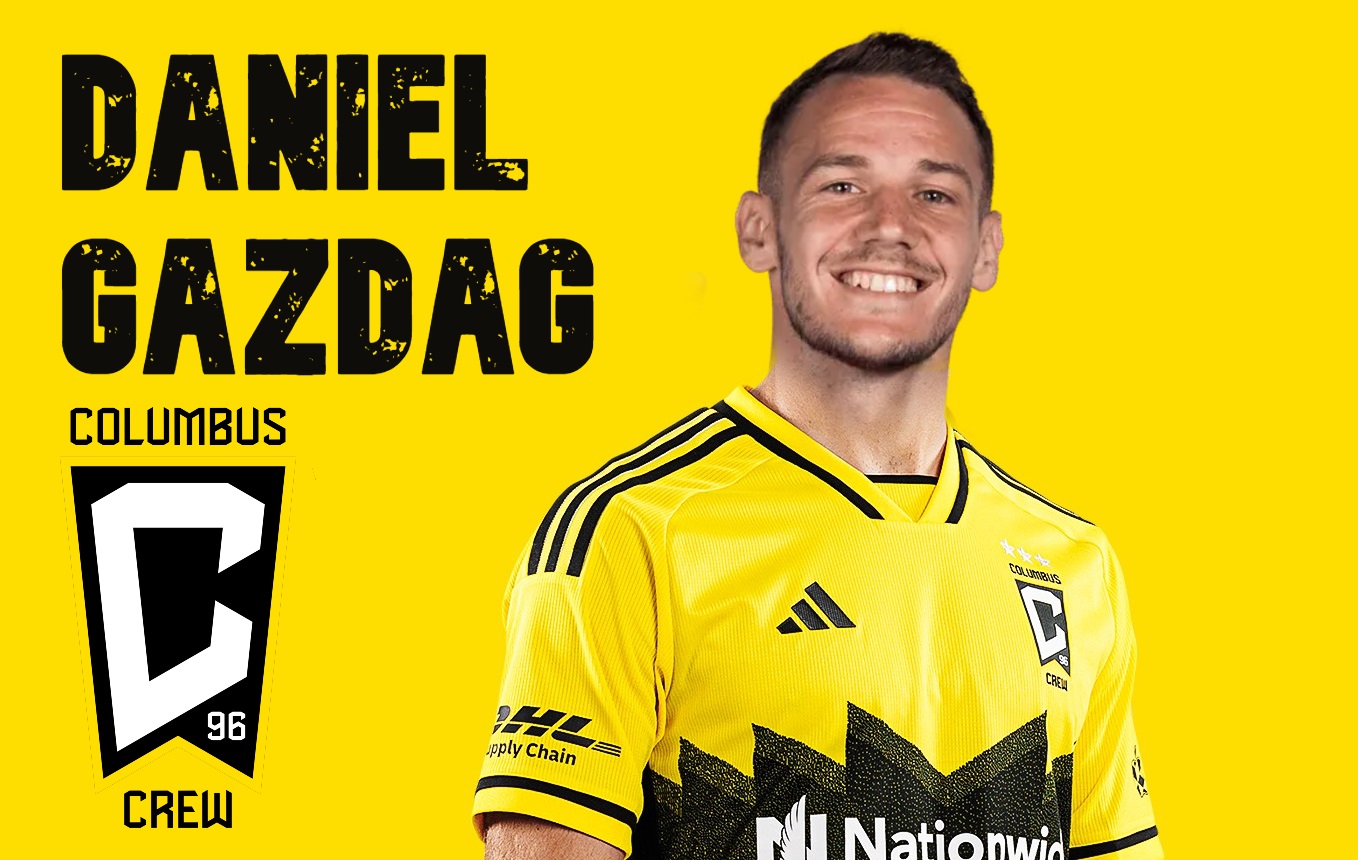
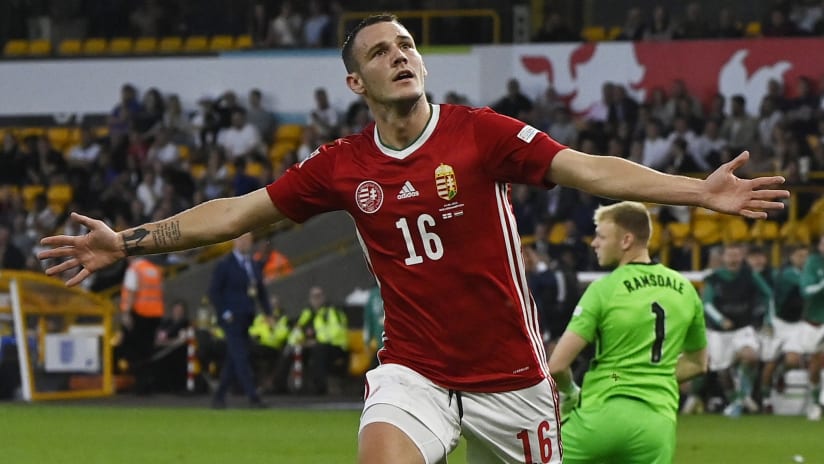
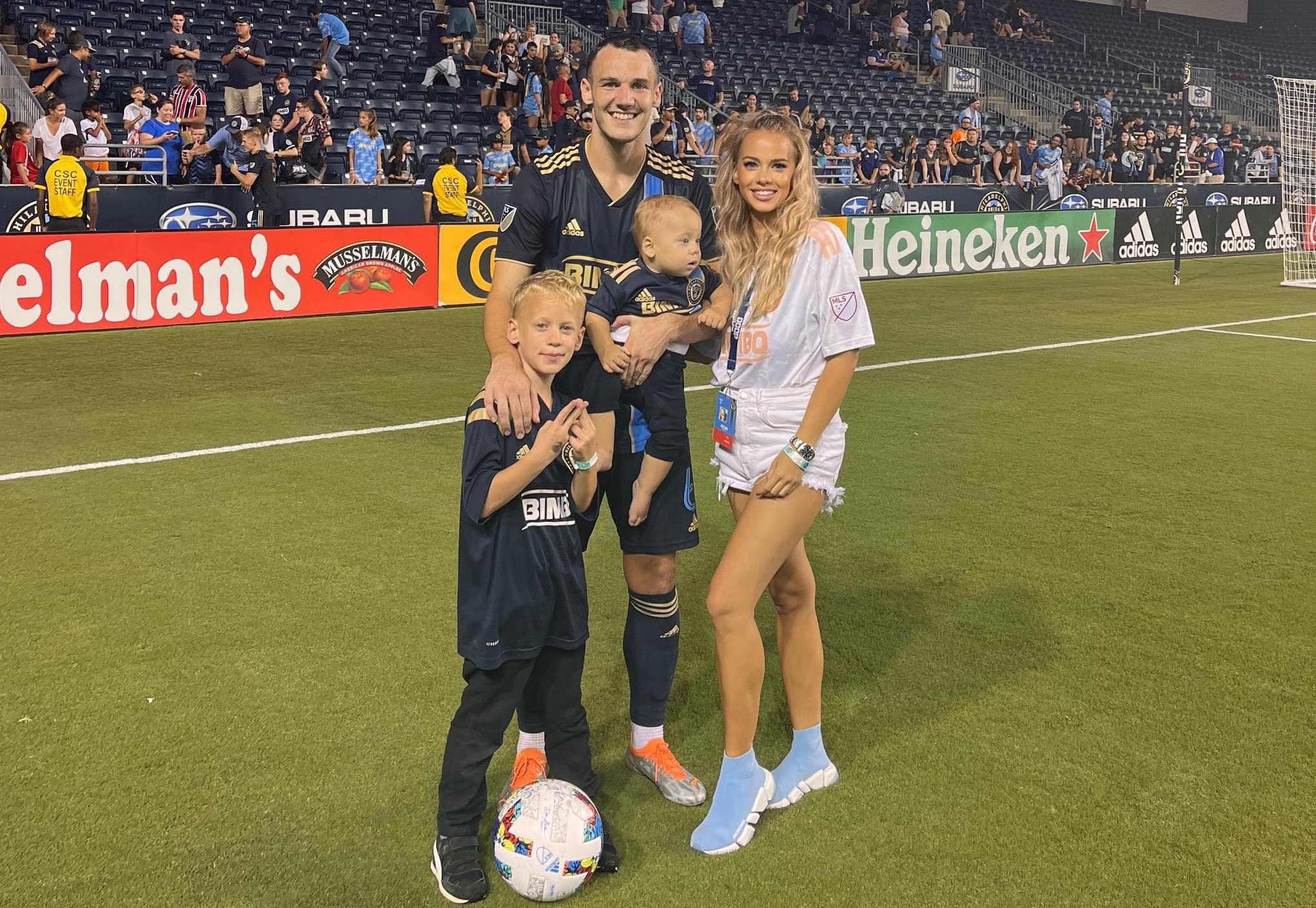
Több mint négy szezon, valamint 161 tétmérkőzés és 72 szerzett gól után távozik a Philadelphia Uniontól Gazdag Dániel. A 29 éves magyar válogatott játékos abban a Columbus Crew-ban folytatja pályafutását, amely az elmúlt 5 évben 4 rangos trófeát, köztük két MLS-bajnoki címet nyert. A Columbus 4 millió dollárt fizetett az év végén lejáró szerződésű játékosért (az MLS-szel kötött kontraktus plusz év opciót is tartalmaz), ez az összeg bizonyos teljesítményalapú feltételek teljesülése esetén további 500 ezer dollárral nőhet.
Fotómontázs: Jenkifoci
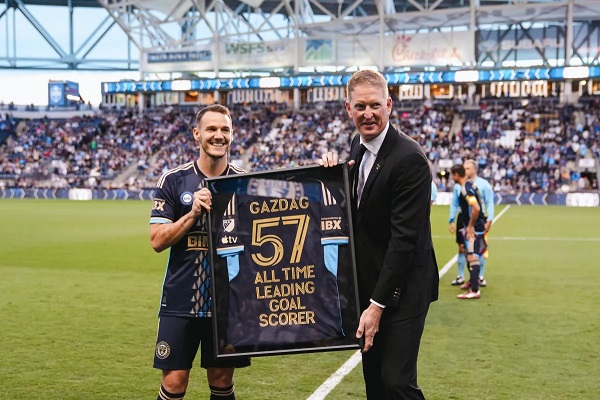
Gazdag 2021 óta viselte a Philly mezét. 72 góljával ő a klub történetének legtöbb gólt szerző játékosa. Az elmúlt három szezonban egyaránt ő volt a Philadelphia Union házi gólkirálya. 2022-ben MLS alapszakasz-ezüstérmes lett, majd a rájátszásban is Nagydöntőig menetelt csapatával: Gazdag a fináléban gólt is szerzett, de végül tizenegyesekkel elbuktak az LAFC otthonában.A magyar játékost 2022-ben beválasztották az MLS-szezon válogatottjába.
Most az MLS legjobb edzőjének keze alatt folytathatja karrierjét: a francia Wilfried Nancy-t 2024-ben a liga legjobb szakvezetőjének választották. A Columbus Crew az elmúlt 5 évben 4 rangos trófeát nyert: két bajnoki címük (2020, 2023) mellett egy Ligák Kupáját (2024) és egy Campeones Cup-ot (2021) is a magasba emelhettek. Nem ő lesz a klub történetének első magyar játékosa: Németh Krisztián 2020-ban tagja volt a bajnokcsapat keretének.
A némileg váratlan transzferről és az előzetes várakozásairól kérdeztem a magyar válogatott játékosát, aki első interjúját a Crew játékosaként a Jenkifocinak adta.
Ki kezdeményezte a váltást? Philadelphia, a Columbus, vagy Te?
Januárban, amikor Spanyolországban voltunk edzőtáborban, az ügynököm leült a sportigazgatóval, hiszen egy év plusz egy opciós év volt hátra a szerződésből. Szerettünk volna hosszabbítani. Januárban azt a választ kaptuk, hogy tavasszal kapok egy ajánlatot, de ez végül nem érkezett meg. Múlt héten csütörtökön értesültem róla, hogy a Columbus Crew felvette a kapcsolatot a Philly-vel és szeretnének kivásárolni. Utána beszéltem a Ernst Tanner philadelphiai sportigazgatóval, aki elmondta, hogy nyitottak arra, hogy üzletet kössenek a Crew-val. Megmondom őszintén, kicsit meglepett, hogy ilyen könnyen belement abba, hogy elengedjenek.
Milyen érzések kavarognak most benned?
Hogy őszinte legyek, kicsit felemás az első reakcióm. A pozitív oldal az, hogy hogy a Columbus Crew egy nagyon jó csapat, jó focit játszanak és éreztem rajtuk, hogy szeretnének megszerezni. Várhatóan egy új szerződést is kapok majd tőlük. Emiatt a bánásmód miatt nagyon boldog vagyok, érzem, hogy nagyra értékelnek engem és a tudásom. De kár tagadni, hogy szerettem volna minél tovább Philadelphiában maradni. Ez picit szomorúvá tesz. A gyerekeim imádták ezt a csapatot és sok szál köti őket ide.
Gólrekorder lettél, örökre beírtad magad a klub történelemkönyvébe. Mi fog először eszedbe jutni, amikor visszagondolsz a philadelphiai éveidre?
Nagyon sok jó dolog történt velem ennél a klubnál. Nehéz lenne csak egyet-kettőt kiemelni. Az például hatalmas dolog, hogy én lettem az örökös gólrekorder. Vagy hogy MLS Nagydöntőt játszhattam a csapat színieben. És rengeteg barátot szereztem itt a klubban, akikkel a pályán kívül is rendszeresen összejártunk, közös családi programokat szerveztünk. Nagyon fog hiányozni Jacob Glesnes, Mikael Uhre vagy Alejandro Bedoya, hogy csak néhány nevet említsek.
Csapattársaid hogyan reagáltak a hírre?
Pár napja már közöltem a hozzám legközelebb állókkal, hogy mi várható. Nos, a többségük nehezen hitte el, hogy elenged a klub. Kissé sokkolta őket a döntés.
Milyen kép alakult ki benned az elmúlt években az új csapatodról, a Columbus Crew-ról?
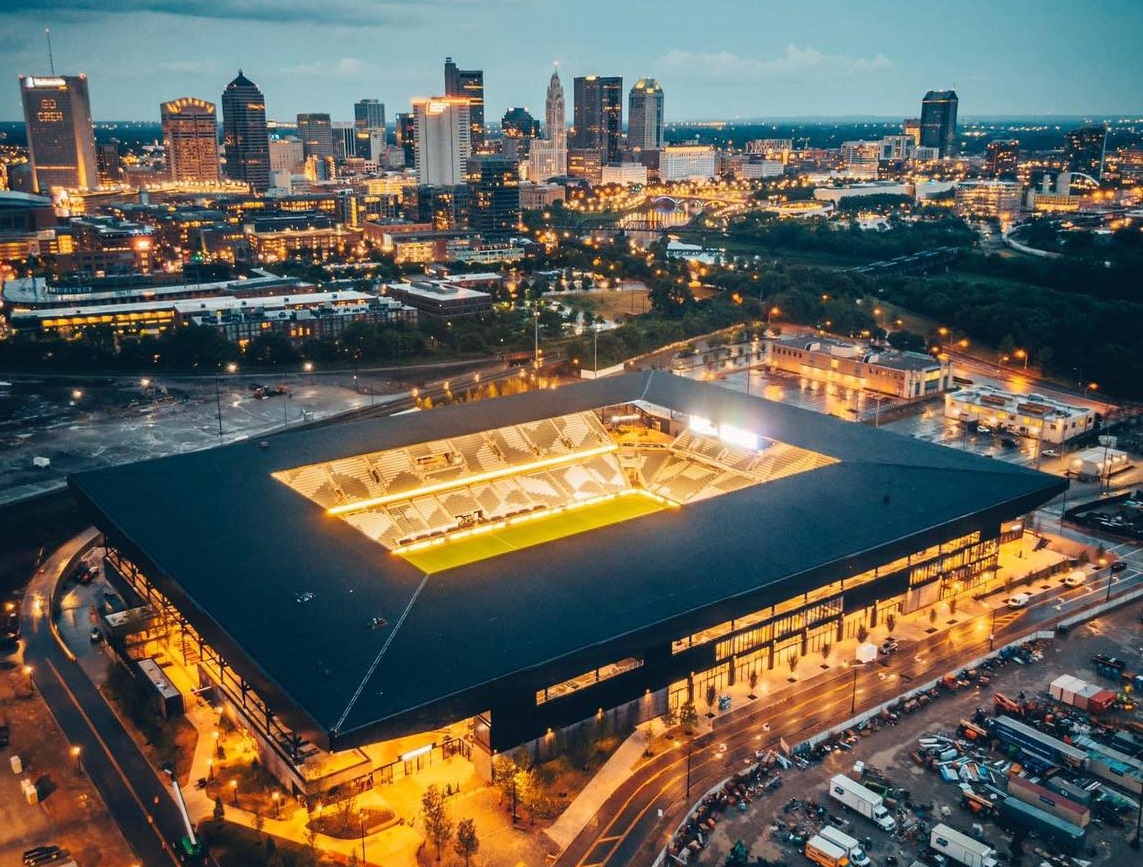
Nagyon pozitív! A játék amit játszanak, az egy nagyon jó stílusú, modern foci. Sok labdatartással operálnak, kis passzokkal játszanak. Amikor elveszítik, nagyon könnyen vissza tudják szerezni a játékszert. Megmondom őszintén, ezért nagyon idegesítő volt ellenük játszani… Ami a várost illeti, nyugis, kisebb városnak tűnik. Nincs túl sok sportcsapat, a szurkolóknak a Crew az egyetlen lehetőség major liga-meccsekre járni, leszámítva a helyi NHL-együttest. Viszonylag új stadionban játszik az együttes és az edzőközpontjuk is vadiúj.
Beszéltél-e már új klubodnál valamelyik vezetővel, felvázolták-e már, milyen elképzeléseik Vannak veled kapcsolatban?
Beszéltem a klubigazgatóval és Wilfried Nancy vezetőedzővel. Pozitív érzékeseket keltettek bennem. Nagyon boldogok és izgatottak, hogy csatlakozom hozzájuk. Nancy a rövid beszélgetésünk során azt is elmondta, hogy arra bátorít, legyek önmagam. Nem kell senkinek megfeleljek a pályán, próbáljak nyomás nélkül játszani. Ő azt szeretné, hogy az csináljam a pályán, amit legjobban szeretek és amihez legjobban értek. Persze az alapvető taktikai utasítások betartását ő is megköveteli, mint például a védekezésben való részvételt, a határozott visszazárást. De összességében azt éreztem rajta, hogy nagyon boldog, hogy csatlakozok hozzájuk. Az egész beszélgetés olyan hangulatban zajlott, mintha ezer éve ismernénk egymást.
Wilfried Nancy-t sokan az MLS legjobb edzőjeként tartják számon, akinek a teljesítményét már európai topligákból is figyelik. Mi a véleményed róla és az általa alkalmazott taktikai elképzelésekről?
Anno a Montréallal is nagyon jó eredményeket ért el, bevitte őket a rájátszásba. A Columbus-szal első évében megnyerték a bajnokságot, aztán a rá következő évben a Ligák Kupáját. Az eredményei tehát önmagukért beszélnek. És nem csak az eredmények, hanem a mutatott játékuk is. Nem lep meg, hogy Európából is figyelik őt, izgatottan várom a közös munkát vele. A telefonbeszélgetésünk során hangsúlyozta, hogy minden játékosától azt kéri, hogy azt csinálja a pályán, amit szeret, meg amiben komfortos. Emellé ő biztosít bizonyos mankókat, hogy például hol tudjuk felvenni a labdát a támadásépítés során. Szerintem nagyon sokat fogok tanulni tőle.
Előreláthatólag mikor debütálhatsz új csapatodban?
A kötelező orvosi vizsgálat után jön a hivatalos bemutatás és a debütálás. Arra számítok, hogy gyorsan történnek majd a dolgok.
Hol látod a saját helyedet az új csapatodban?
Támadó középpályás poszton számítanak rám a leginkább, ott tudok a legjobb lenni. Néha két 10-essel játszik a Crew, néha eggyel.
A Columbus játékosai közül kiket tudnál kiemelni, akikre eddig is felfigyeltél?
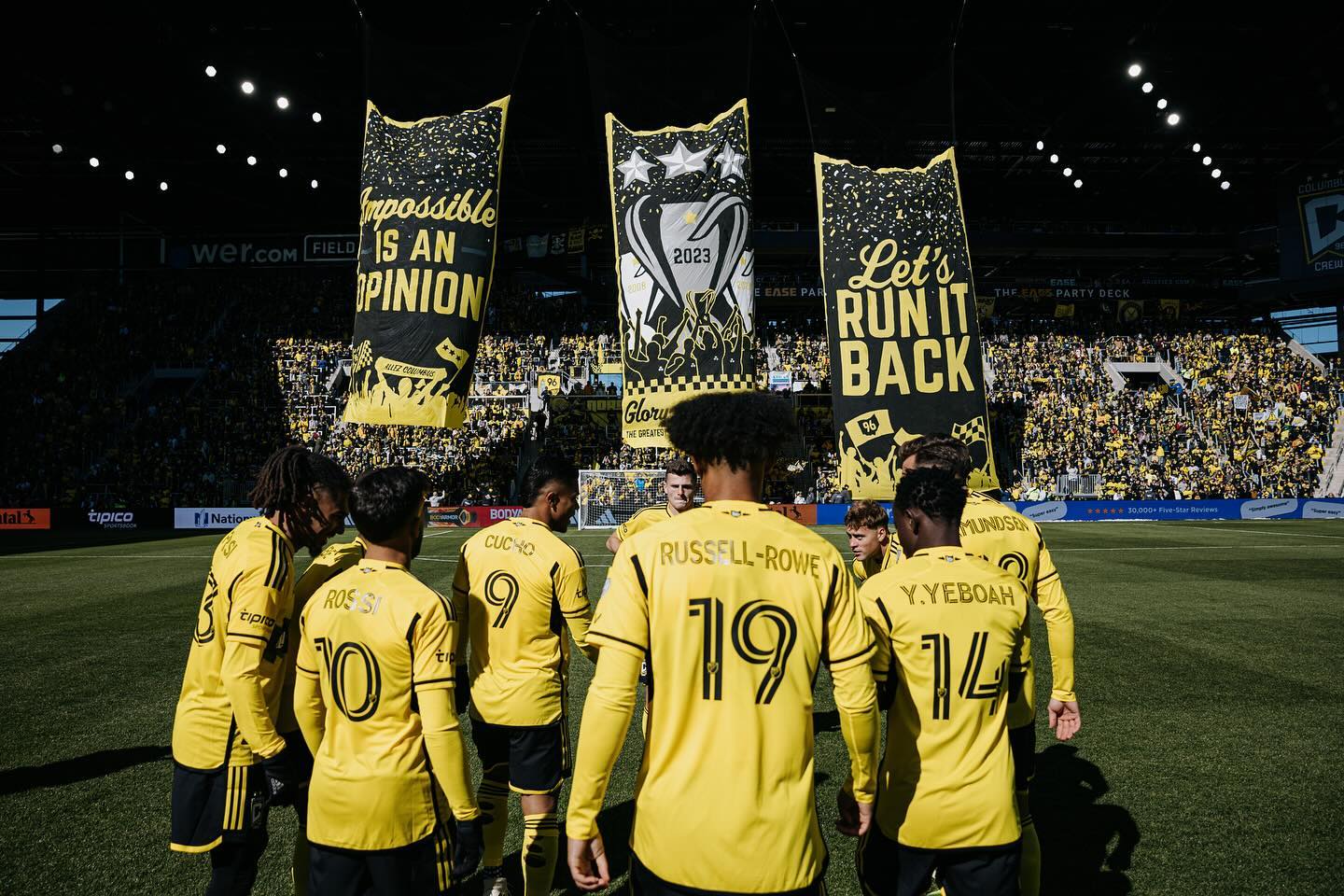
Darlington Nagbe az egyik ilyen játékos, sokat játszottam ellene, sokat találkoztunk a pályán a középpálya centrumában. Ő egy hihetetlenül labdabiztos futballista. Diego Rossiról pedig nem kell ecsetelnem, milyen kaliberű futballista. Az elmúlt években volt MLS-gólkirály, megfordult Európában a Fenerbahçe együttesénél, az uruguayi válogatottban is pályára lépett. Emellett vannak ígéretes fiataljaik is, akik egyre jobbak. Ott van például a kanadai válogatott Jacen Russell-Rowe, aki idén remekül teljesít. Ahogy néztem a keretet, ez egy fiatal és sikeréhes csapat, amelyben vannak tapasztalt játékosok is, akik a stabilitást adják.
Cucho Hernandez távozása után nagy űr keletkezett a sárga-feketék támadósorában. Motivációt vagy plusz felelősséget jelent számodra, hogy a tavalyi MVP-szavazás második helyezettjét kell pótolnod?
Persze, ez valamilyen szinten nyomás, de inkább plusz motiváció. Más poszton játszunk, de érthető, ha a drukkerek azt várják, hogy betöltsem az utána keletkezett űrt. Azt gondolom, hogy a számaim az elmúlt években is egész jók voltak, így van mire építenem.
A Columbus szurkolótábora az egyik legfanatikusabb az egész bajnokságban, pár évvel ezelőtt még a költöztetéstől is megmentették saját csapatukat a heves tiltakozásukkal. Mit tapasztaltál eddig az ottani atmoszférából, milyen fogadtatásra számítasz az ottani keménymag, a Nordecke híveitől?
Amikor ott játszottunk, rendszeresen nagyon jó hangulatot csináltak a stadionban. Én is hallottam, hogy pár éve megmentették a csapat fennállását. Szóval megvan bennük az a fajta fanatizmus, ami ahhoz kell, hogy a végsőkig harcoljanak a klubjukért. Várom már hogy előttük szerepeljek.
Korábban már volt magyar játékosa, sőt magyar bajnoka a Columbus-nak Németh Krisztián személyében. Volt már lehetőséged, hogy Némoval beszélj a csapatról és a városról? Tervezed megkérdezni őt tapasztalatairól
Igen, már írtam neki üzenetet, amikor már biztosnak tűnt a váltás. Segített pár tanáccsal. Elmondta, hogy hol lakott, ezen kívül csupa jó dolgot mondott a városról és még ajánlott néhány jó éttermet is. Ő is azt mondta, hogy jól fogja érezni magát a családom Columbus-ban.
A magyar válogatottban történő szereplésedet érintheti-e bármilyen formában ez a váltás? Rossival beszéltél már azóta, hogy felmerült ez a transzfer? Az új csapatod játékrendszere és játékfilozófiája mennyiben ültethető át abba a feladatkörbe, amit a magyar válogatottnál elvárnak tőled?
Még nem beszéltem Rossival a váltásról. Meglátjuk, hogy mi fog történni. Az elmondható, hogy a támadásépítésekben a Crew egy kicsit hasonló stílusban játszik, mint a magyar válogatott, ez szerintem hasznos lehet számomra. Meglátjuk, ez milyen hatással lesz a magyar válogatottbeli szereplésemre.
Mit szól a család a váltáshoz?
A feleségem jól fogadta, ő mindig nagyon támogató, amiért borzasztóan hálás vagyok Neki. Próbálja a legtöbbet segíteni, amiben és ahol csak tud. A gyerekek picit el vannak kenődve. Főleg a nagyobbik fiam, akinek az iskolában és a helyi focicsapatban is sok barátja van. De ezzel együtt izgatottak is és várják már a bemutatkozásom egy másik csapat mezében. Szerintem ha meglátják majd a stadiont Columbusban és azt, hogy milyen közeg körül, sokkal lelkesebbek lesznek. Ők egyébként június végén-közepén fognak csatlakozni hozzám az iskola-évet követően. Persze egy-két meccsre előtte is kijönnek majd.
Számodra szakmailag mit jelenthet ez az átigazolás? Miben fejlődhetsz, milyen célokat tűztél ki magad elé? Mivel lennél elégedett a szezon végén?
A céljaim ugyanazok, mint a Philly-nél: dupla számjegyet szeretnék elérni gólokban gólpasszokban. Korábban még sosem játszottam olyan csapatban, amelyik ennyire sokat birtokolja a labdát és hosszú támadásépítésekkel operál. A taktikát nézve ez nagy változás, Philadelphiában ugyanis abszolút az átmeneteken volt a hangsúly. Ezt szakmailag egy nagyon izgalmas kihívásnak és fejlődési lehetőségnek látom. Persze lesz egy átmeneti időszak, amíg meg kell szoknom az új dolgokat, de bízom benne, hogy ez minél rövidebb időszak lesz. A vezetőedzőm bizalma és türelme sokat számít ezen a téren.
Május 10-én Philadelphia-Columbus meccs jön. Milyen érzésekkel várod azt az összecsapást. És a kihagyhatatlan kérdés: megünnepled, ha gólt szerzel?
Nagyon emocionális lesz Philadelphiában játszani, ráadásul nem sokára, egy hónap múlva jön az a mérkőzés. Biztos megrohan majd sok emlék, de amint elkezdődik a mérkőzés ezt ki fogom zárni. Azonban ha gólt fogok szerezni, nem fogok ünnepelni, ennyivel tartozom a klubnak és a szurkolóknak. Remélem a drukkerek is szeretettel fognak fogadni, amikor visszatérek.
A Jenkifoci olvasói eddig is kiemelt figyelemmel követték amerikai karrieredet, a rólad szóló bejegyzések rendszeresen nagy figyelmet kapnak. Mit üzensz az oldal követőinek az új korszak kapcsán?
Továbbra is kövessék a Jenkifocit és kövessék a kinti magyarokat, bízom benne hogy büszkévé tudom őket tenni…és persze szurkoljanak a Columbusnak!
Az interjút készítette: Kun Tamás, a Jenkifoci szerzője
 .
.